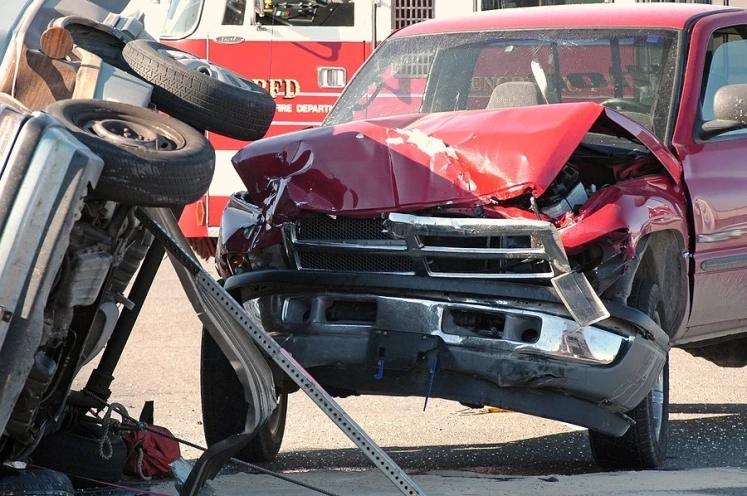
Rear-end collisions happen every day on Oklahoma roads. Many of these crashes occur in seconds, yet the consequences can last months or years. While a driver may feel as though a crash came out of nowhere, most rear-end accidents can be traced back to preventable behaviors or simple lapses in judgment. Understanding the actions that raise the risk of these collisions can help drivers stay aware, stay alert, and stay safe.
Rear-end crashes are especially common in busy areas such as Oklahoma City, Tulsa, and the growing suburbs around them. Traffic congestion, inconsistent speed changes, and distracted drivers all contribute to these accidents. But even in rural parts of the state, drivers can fall into habits that make a rear-end crash more likely. Knowing what these habits look like—and how to avoid them—can make a real difference.
Following Too Closely in Traffic
One of the most frequent causes of rear-end collisions is tailgating. Many drivers underestimate how much space they need to stop during an emergency. Even traveling at moderate speeds, a vehicle needs a surprising amount of distance to come to a complete stop. Factors like rain, uneven pavement, and worn brakes only increase that distance.
In Oklahoma, where speed limits are often high and highways move quickly, leaving enough space becomes even more important. A driver who follows too closely has little time to react if the vehicle ahead slows or stops suddenly. It may be a traffic jam forming over a hill, a vehicle debris hazard, or simply a driver braking for a missed turn. Whatever the situation, a lack of space makes it nearly impossible to avoid a collision.
Maintaining a safe following distance is an easy preventative measure. Yet many rear-end collisions happen because drivers misjudge how quickly a situation can change.
Distracted Driving on Busy Roadways
Distraction remains one of the biggest risk factors for rear-end accidents. A moment spent looking at a phone, adjusting GPS settings, or reaching for something can be all it takes for a driver to lose awareness of slowing traffic.
This risk is amplified in areas like I-35, I-44, and busy urban streets that require consistent attention. A driver may glance down for just one second, only to look up and find that the vehicle ahead has already stopped. Even traveling at low speeds, that gap in attention can lead to a crash.
While phones are a major source of distraction, they are not the only cause. Eating while driving, talking to passengers, interacting with pets, or even daydreaming can lead to the same dangerous delay in reaction time.
Drivers who avoid unnecessary distractions significantly reduce the risk of rear-end crashes. The challenge is that distractions feel harmless in the moment, even though the consequences can be severe.
Sudden or Inconsistent Braking
Rear-end collisions often occur when a leading driver brakes abruptly. This can happen when a driver misjudges an intersection, slows late for a yellow light, or hesitates on a highway exit. It can also happen when a driver is unsure of where they are going, causing them to tap their brakes repeatedly while scanning for turns.
Inconsistent braking forces the driver behind to make constant adjustments. When this happens in traffic or at high speeds, the risk for a rear-end crash rises quickly. Some drivers do not realize how sharply they are braking until a collision occurs.
Although a following driver is often blamed for rear-end crashes, inconsistent braking can still be a major contributing factor. Drivers who approach turns, traffic lights, or congestion calmly and predictably give everyone around them more time to react.
Speeding or Driving Too Fast for Conditions
Speeding does more than increase the severity of a crash—it also contributes to rear-end collisions. A driver traveling at excessive speed may not have time to slow down when traffic changes. Even if they do manage to brake in time, sudden deceleration puts the drivers behind them at risk.
Oklahoma’s weather can also play a major role. Rainstorms, ice, and strong winds may create slick conditions. Drivers who fail to adjust their speed lose traction and reduce their ability to stop safely. A vehicle that cannot slow down predictably is more likely to strike a vehicle ahead.
Driving too fast for road or weather conditions is a common and preventable behavior. Staying mindful of changes in traffic and weather is an essential part of avoiding rear-end crashes.
Misjudging Traffic Flow in Construction Zones
Construction zones are everywhere across Oklahoma, especially during warmer months. These areas often involve sudden lane closures, shifting traffic patterns, and frequent stops. Rear-end collisions rise sharply in these zones due to the unpredictable changes drivers face.
A driver who merges at the last moment or accelerates too quickly after a temporary stop can cause confusion for others. Similarly, drivers unfamiliar with the area may slow unexpectedly when they encounter lane shifts or workers on the shoulder.
Reduced visibility in construction areas also adds to the risk. Orange barrels, work vehicles, and flashing lights can distract drivers or create unfamiliar obstacles. Misjudging the traffic flow—even briefly—can result in a rear-end crash.
Failing to Use Turn Signals
A turn signal serves as a warning to other drivers. When a driver fails to use it, the vehicle behind may not anticipate that the lead driver is slowing down to make a turn. This lack of communication often leads to preventable rear-end collisions.
Many drivers underestimate how much time they need to activate their signal before turning. Others assume that because a turn seems obvious, a signal is not necessary. But in areas with multiple driveways, side streets, or hidden entrances—common in both rural and suburban Oklahoma—turning without signaling is especially dangerous.
Using a turn signal consistently reduces confusion and prevents sudden stops. It gives every nearby driver more time to react.
Fatigue and Reduced Awareness
Long drives across Oklahoma’s highways can contribute to fatigue. A tired driver may react slowly, lose focus, or misjudge the distance between vehicles. Fatigue does not have to be extreme to be dangerous. Even mild tiredness can affect awareness.
Rear-end collisions happen frequently when a fatigued driver drifts forward in stop-and-go traffic or misses cues that traffic is slowing. These collisions may be minor but can still cause injuries such as whiplash.
Fatigue is particularly common on long, rural stretches of highway where scenery does not change much. Drivers who take breaks, rotate driving duties, or adjust their schedule can help prevent fatigue-related rear-end crashes.
Weather-Related Visibility Mistakes
Oklahoma weather can shift quickly, and visibility plays a major role in rear-end crashes. Heavy rain, fog, and dust storms can make it difficult to judge distance. Some drivers fail to use headlights in low visibility, creating a hazard for others.
Reduced visibility increases reaction time. A driver who cannot clearly see brake lights, traffic slowdowns, or road hazards is more likely to collide with the vehicle ahead. Using headlights, slowing down, and keeping windows clear are simple safety measures that many drivers forget in the moment.
What Drivers Should Know After a Rear-End Collision
Rear-end collisions can lead to a wide range of injuries. Neck, back, and head injuries are especially common. Even crashes that seem minor can result in significant pain later. Oklahoma law allows injured individuals to pursue compensation when someone else’s negligence caused the crash.
Drivers involved in a rear-end accident should consider the following steps:
- Seek medical attention, even if symptoms are mild
- Gather photos or videos of the vehicles and accident scene
- Exchange information with the other driver
- Report the crash to law enforcement
- Speak with a personal injury attorney before talking to insurance companies
Rear-end collisions may appear straightforward, but insurance companies often dispute fault or attempt to minimize claims. An attorney can help protect an injured person’s rights and ensure they understand their options.
Conclusion
Rear-end collisions are not random events. They usually result from behaviors that drivers can change. Staying alert, avoiding distractions, and following predictable driving patterns reduce the likelihood of a crash. Consistent awareness helps prevent injuries, property damage, and the long-term stress that comes with a collision.
For those injured in rear-end accidents, understanding the cause is only part of the process. Legal guidance can help clarify what steps to take next and what compensation may be available. If you were hurt in a rear-end crash on an Oklahoma road, a personal injury lawyer can help you navigate the next steps with clarity and confidence.