Slip and fall accidents happen quickly, but the conditions that cause them often develop over time. A loose floor tile, a burned-out light bulb, or a spill left unattended can turn an ordinary walk through a store, apartment complex, or parking lot into a serious injury. For residents across Oklahoma, recognizing these warning signs before an accident occurs can make a meaningful difference, and understanding your options after an injury matters just as much. This guide explains the most common hazards that lead to falls and what property owners are generally expected to do about them. If you have already been hurt, learning more from an Oklahoma slip and fall attorney can help clarify what steps may be available to you.
Common Warning Signs of Unsafe Flooring and Walking Surfaces
Wet or Slippery Floors
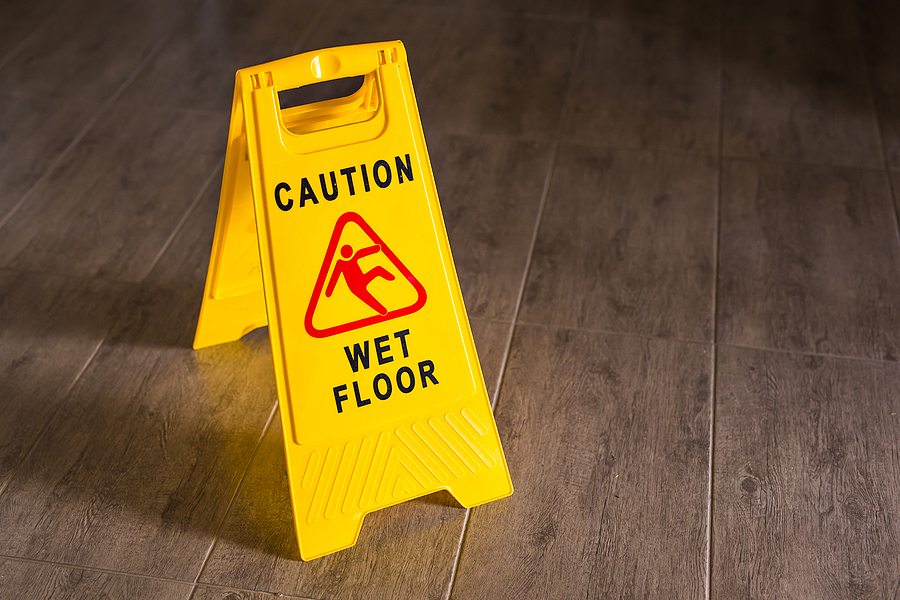
Wet floors are among the most frequent causes of slip and fall incidents, particularly in grocery stores, restaurants, and medical facilities. Spilled liquids, recently mopped surfaces, and tracked-in rainwater can all create a hazard within minutes. Property owners and managers are generally expected to address spills promptly and place visible warning signs when a floor is wet. When these steps are skipped or delayed, the risk to visitors increases substantially, especially in high-traffic areas where people are less likely to be watching the ground closely.
Uneven or Damaged Walkways
Cracked sidewalks, potholes in parking lots, and buckled flooring inside buildings can cause a person to trip even when they are being careful. In many older properties throughout Oklahoma, wear and tear on outdoor walkways is common, and freeze-thaw cycles during winter months can worsen existing cracks. Property owners have a general responsibility to inspect walking surfaces on a regular basis and repair known hazards within a reasonable timeframe. A walkway that has been damaged for an extended period without repair may suggest a pattern of inadequate maintenance.
Poor Lighting and Visibility Hazards
Dimly Lit Stairwells and Hallways
Stairwells and interior hallways depend on adequate lighting to help people judge distance, spot uneven steps, and notice obstacles ahead of them. When lighting is too dim, even a well-maintained staircase can become dangerous because a person may misjudge the height or edge of a step. This is particularly true in older commercial buildings and apartment complexes where lighting fixtures may not have been updated in years. Property managers are generally expected to keep interior lighting functional and bright enough for safe passage, especially in areas that see frequent foot traffic.
Obstructed or Broken Lighting Fixtures
Burned-out bulbs, broken fixtures, and lights that have been blocked by signage or storage items can all reduce visibility in ways that are easy to overlook until an accident occurs. Exterior lighting in parking lots and entryways is especially important after sunset, since these areas often combine uneven pavement with reduced visibility. When property owners fail to replace broken lights within a reasonable period, they may be increasing the likelihood of a fall without realizing it. Reporting these issues when they are first noticed can sometimes prevent an injury altogether.
Structural and Maintenance Issues Property Owners Often Overlook
Loose Handrails and Damaged Stairs
Handrails exist to give people something stable to hold onto, particularly on stairs where a single misstep can lead to a serious fall. A handrail that wobbles, is missing sections, or was never properly secured to the wall may fail at the exact moment someone needs it most. Damaged stair treads, whether cracked, splintered, or unevenly spaced, present a similar risk. Regular inspection of these structural elements is generally considered part of a property owner’s maintenance responsibilities, and neglecting them for extended periods can leave visitors vulnerable.
Cluttered Walkways and Inadequate Signage
Boxes left in aisles, cords running across walkways, and equipment stored in high-traffic areas can all create unexpected obstacles for someone walking through a space. Even when a hazard cannot be immediately removed, such as during ongoing construction or cleaning, property owners are generally expected to use cones, signs, or barriers to alert visitors to the danger. Without this kind of warning, a person has no reasonable way to anticipate the hazard ahead of them. The absence of clear signage around a known hazard is one of the more common issues seen in slip and fall situations.
Taking Action After Recognizing Unsafe Conditions
Unsafe conditions that lead to slip and fall accidents are often preventable when property owners stay attentive to maintenance and safety. Wet floors, damaged walkways, poor lighting, and structural issues like loose handrails all share a common thread: they tend to develop gradually and are frequently identified before an injury occurs, provided someone is paying attention. Whether the outcome of a specific situation involves a claim depends heavily on the individual circumstances, including how the hazard arose and whether the property owner had a reasonable opportunity to address it. If you believe unsafe conditions contributed to a fall you experienced in Oklahoma, the team at Knight Law Firm can help you understand your options as a personal injury client.