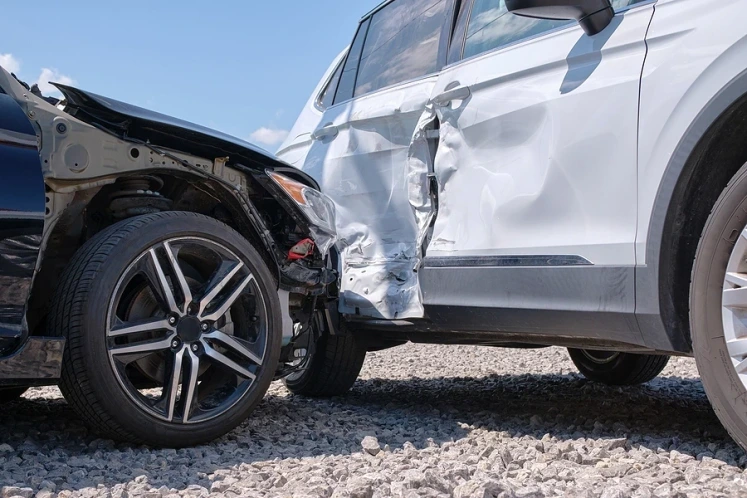
Intersections are designed to manage traffic from several directions, but they also concentrate some of the most common crash risks in one place. Rear-end collisions are among the crashes that happen most often at and near intersections, as vehicles repeatedly slow, stop, and accelerate in close quarters. On busy arterial roads in Tulsa, Oklahoma City, and growing suburbs across the state, these crashes are a frequent part of daily traffic. While many are low-speed impacts, they can still cause serious injuries and lengthy disputes about fault. Learning how intersection and rear-end collision claims in Oklahoma are handled can help drivers understand their rights. This article explores why intersections create rear-end risks, which driver behaviors add to the danger, and which road and weather factors play a role.
How Intersections Create Rear-End Risks
The basic function of an intersection requires drivers to change speed frequently. Each change creates an opportunity for a following driver to misjudge the situation.
Stop-and-Go Traffic Patterns
Traffic approaching a signal often moves in waves, with vehicles speeding up after a green light and slowing sharply as the next signal changes. Drivers near the back of a line may not see why the traffic ahead is stopping. When the vehicle in front brakes, a following driver who is not paying close attention may have little time to react. These chain reactions can lead to crashes involving several vehicles in the same lane.
The Yellow Light Decision
A yellow light forces drivers to decide quickly whether to stop or continue through the intersection. When the lead driver chooses to stop and the following driver expects them to proceed, a rear-end collision can occur within seconds. Signal timing, approach speeds, and the distance between vehicles all affect how much margin drivers have. Disputes often arise afterward about whether the lead driver stopped reasonably or braked unexpectedly. In most cases, however, a driver who stops for a yellow or red light is doing what the law expects.
Turning Vehicles
Vehicles slowing to turn left or right can create sudden speed differences in a travel lane, especially where there are no dedicated turn lanes. A driver waiting for a gap in oncoming traffic before turning left may be stopped in a lane where following drivers expect movement. Similarly, drivers slowing for a right turn into a business driveway near an intersection can surprise traffic behind them. Using turn signals early and moving into turn lanes where they exist can help reduce these risks, although following drivers still have a duty to keep a safe distance.
Driver Behaviors That Increase the Danger
While intersection design creates the setting for rear-end crashes, driver behavior is often the deciding factor. Several habits are especially common in these collisions.
Distraction at Lights and in Slow Traffic
Many drivers feel safe glancing at a phone while waiting at a red light or creeping through congestion. When traffic begins moving and then stops again, a distracted driver may not notice in time. Oklahoma law prohibits texting while driving, and distraction evidence, such as phone records, may become relevant when fault is disputed. Even a few seconds of looking away can be enough to miss the moment traffic ahead comes to a stop.
Following Too Closely
Oklahoma law generally requires drivers to keep a reasonable and prudent distance from the vehicle ahead, considering speed, traffic, and road conditions. In heavy intersection traffic, drivers often close the gap to prevent others from merging in front of them. That reduced distance leaves little room to stop if the lead vehicle brakes suddenly. Following too closely is one of the most frequently cited factors in rear-end crashes.
Speeding on the Approach
Drivers who approach an intersection too quickly may be trying to beat a changing signal. Higher speeds increase stopping distances and reduce reaction time. When the vehicle ahead slows or stops, a speeding driver may be unable to avoid an impact, and the higher speed can make injuries more severe. Vehicle event data and nearby video footage may help show how fast a driver was traveling before the collision.
Road and Weather Factors in Oklahoma
Oklahoma’s roads and climate can add another layer of risk at intersections. These factors do not excuse careless driving, but they can make crashes more likely.
Rain, Ice, and Sudden Storms
Wet pavement and winter ice can significantly increase the distance needed to stop. Oklahoma’s sudden spring storms and occasional ice events can catch drivers off guard, particularly on heavily traveled roads where oil and debris build up near intersections. Drivers are generally expected to adjust their speed and following distance to the conditions, and failing to do so may be treated as a factor in determining fault.
Sun Glare and Visibility
Many Oklahoma streets follow an east-west grid, which can put drivers directly into the sun during morning and evening commutes. Glare can make it difficult to see brake lights or signal changes ahead. Although glare may be a real hazard, drivers are still typically expected to slow down and increase their following distance when visibility is reduced. Clean windshields, working visors, and extra following distance may help lower the risk during these times of day.
Construction and Road Design
Construction zones near intersections can create lane shifts, unexpected slowdowns, and confusing signage. Poorly timed signals, short turn lanes, and limited sight lines may also contribute to sudden stops. When road conditions play a role, questions may arise about whether a government entity or contractor shares responsibility, which can involve special notice requirements and deadlines.
Getting Help After an Intersection Rear-End Crash
Rear-end collisions at intersections may seem straightforward, but questions about sudden stops, signal changes, and road conditions can complicate how fault is determined. Our intersection and rear-end collision attorneys at Knight Law Firm understand the traffic patterns and hazards that Oklahoma drivers face every day, and we know how important early evidence can be, since intersection footage and witness memories may not last long. We work to gather footage, witness accounts, and crash details that help show what really happened. If you were injured in a rear-end collision at an intersection, we encourage you to contact our team to discuss your situation and the options that may be available.