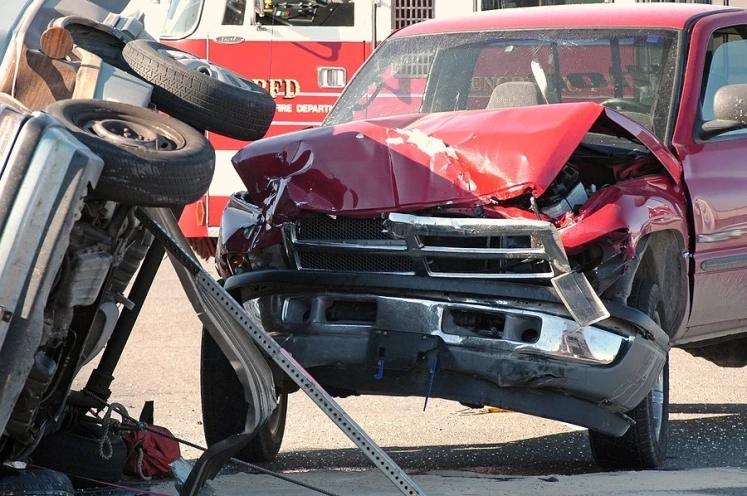
A car accident can turn an ordinary day upside down in seconds. In the confusion that follows, it can be hard to know what to do first, and many people are unsure which steps matter most for their health, finances, and legal rights. The actions taken in the minutes, days, and months after a crash can all shape how smoothly recovery goes. Oklahoma drivers who understand the process in advance may feel more prepared if the unexpected happens. Learning how car accident claims in Oklahoma work can also help injured people make informed decisions along the way. This article breaks the process into three stages: what to do at the scene, what to handle in the first few days, and what to keep in mind over the weeks and months that follow.
What to Do at the Scene
The first priority after any crash is safety. Once everyone is out of immediate danger, a few important steps can protect both health and legal rights.
Check for Injuries and Call for Help
Checking on everyone involved and calling 911 is generally the first step when anyone is hurt or when vehicles are blocking traffic. If the vehicles can be moved safely and no one is seriously injured, moving out of active lanes may help prevent another collision. Turning on hazard lights and staying alert to passing traffic are also important, especially on busy highways and at night.
Meet Your Legal Obligations
Oklahoma law generally requires drivers involved in a crash that causes injury, death, or property damage to stop, provide their name, address, and vehicle information, and render reasonable assistance to anyone who is injured. Drivers should also be prepared to share insurance information. Leaving the scene without meeting these obligations can lead to serious legal consequences. When police respond, giving officers a calm and factual account of what happened can help ensure the report reflects the crash accurately.
Document What Happened
If it is safe to do so, photographs of the vehicles, their positions, the surrounding area, traffic signals, and any visible injuries can preserve valuable details. Names and phone numbers of witnesses are often difficult to find later, so collecting them at the scene can help. Noting the time, weather, and road conditions can also be useful when memories begin to fade.
What to Handle in the First Few Days
The days immediately following a crash are often busy and stressful. Several tasks during this period can have a lasting effect on recovery and on any future claim.
Get a Medical Evaluation
Even people who feel fine after a crash may benefit from seeing a medical provider promptly. Some injuries, including concussions, internal injuries, and neck or back injuries, may not produce symptoms right away. A timely evaluation can support both physical recovery and the documentation needed to connect injuries to the crash. Telling the provider that the symptoms followed a car accident and describing every area of pain can help ensure nothing is missed.
Notify Your Insurance Company
Most auto insurance policies require prompt notice of an accident, so contacting your own insurer is usually an early step. It is generally wise to stick to basic facts when reporting the crash. Conversations with the other driver’s insurance company can be handled more cautiously, since statements made early may be used to question fault or the extent of injuries.
Request the Collision Report and Address Vehicle Damage
If law enforcement responded, a collision report is often available from the investigating agency after a short period. Reviewing it for errors can be important, since insurers frequently rely on it. Arranging repair estimates, documenting rental car costs, and keeping records of property damage are also typical early tasks. In some cases, a vehicle may be worth less after repairs than before the crash, and Oklahoma law may allow a claim for this loss in value against the at-fault driver.
What to Keep in Mind Over the Following Months
Recovery after a crash often takes longer than people expect. Staying organized and aware of key issues during this period can help protect a claim.
Follow Through With Treatment and Track Expenses
Keeping appointments and following medical advice supports recovery and creates a consistent record of the injuries. Maintaining a file of medical bills, pharmacy receipts, travel costs for appointments, and documentation of missed work can make it easier to show the full financial impact of the crash. A brief journal describing pain levels and daily limitations can also help capture effects that bills alone do not show.
Understand the Available Coverage
Oklahoma is an at-fault state, which means the driver responsible for a crash is generally liable for resulting damages. Oklahoma requires drivers to carry minimum liability coverage of $25,000 per person and $50,000 per accident for bodily injury, along with $25,000 for property damage. When injuries exceed those limits or the at-fault driver is uninsured, uninsured and underinsured motorist coverage on your own policy may provide an additional source of recovery. Medical payments coverage, if included in a policy, may also help with certain early medical costs.
Keep Legal Deadlines in Mind
In Oklahoma, many personal injury claims arising from car accidents must generally be filed within two years. Claims involving government vehicles or entities may be subject to shorter notice requirements under the Governmental Tort Claims Act. Identifying the applicable deadlines early can help prevent a claim from being lost due to timing. Starting the process well before a deadline also leaves more time to gather records and evaluate the full extent of the injuries.
Moving Forward After an Oklahoma Car Accident
Knowing what to do after a car accident can make a stressful situation more manageable and help protect your recovery. Our car accident attorneys at Knight Law Firm understand the challenges Oklahoma drivers face after a crash, from medical appointments to insurance calls, and we know how important it is to handle each stage carefully. We work to gather evidence, review coverage, and track deadlines so injured people can focus on healing. If you were injured in a car accident, we encourage you to reach out to our team to discuss what happened and learn about the options that may be available.