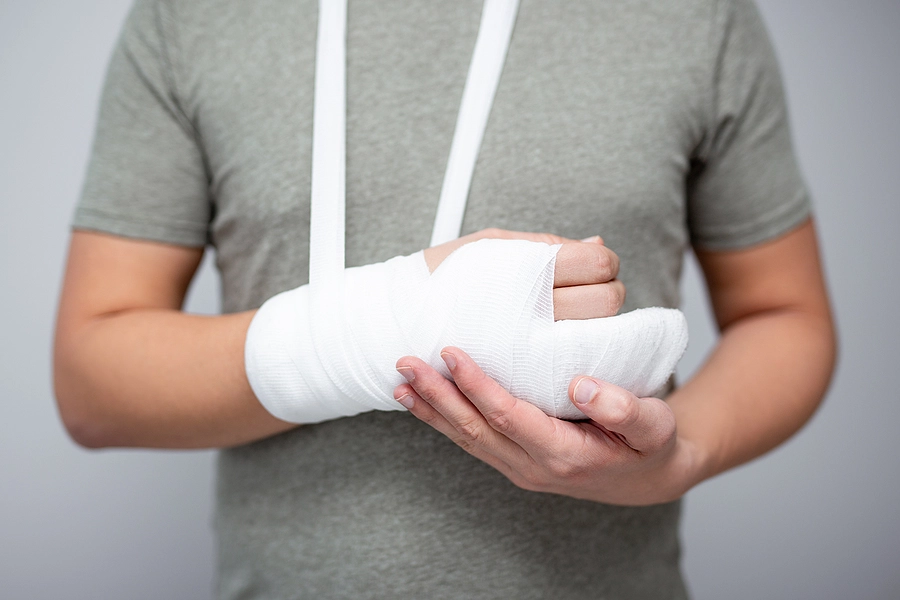
Broken bones are among the most common injuries in car crashes, motorcycle accidents, truck collisions, and falls. While some fractures heal within a few weeks, others require surgery, extended therapy, and time away from work, and a few can lead to lasting limitations. The type of fracture and the bone involved often shape both the recovery process and the value of a personal injury claim. For people injured in Tulsa and across Oklahoma, understanding these differences can help them make informed decisions about treatment and their legal options. Learning how a broken bone injury claim in Tulsa is evaluated is a helpful first step. This article explains common fracture types, the bones most often broken in accidents, and how these injuries can affect a claim.
Common Fracture Types
Doctors classify fractures in several ways, depending on how the bone breaks and whether surrounding tissue is affected. The table below summarizes several common types.
| Fracture Type | General Description |
|---|---|
| Closed fracture | The bone breaks, but the skin remains intact |
| Open fracture | The skin is broken near the fracture, raising infection risk |
| Displaced fracture | The bone pieces have shifted out of alignment |
| Comminuted fracture | The bone breaks into several pieces |
| Hairline fracture | A thin crack that may be difficult to detect at first |
Closed and Open Fractures
A closed fracture occurs when the bone breaks without an opening in the skin. An open fracture, sometimes called a compound fracture, involves a wound near the break and generally requires prompt treatment to reduce the risk of infection. MedlinePlus, a service of the National Library of Medicine, offers general information about fractures and how they are treated. Open fractures often involve longer recovery periods than closed fractures.
Displaced, Comminuted, and Hairline Fractures
When bone pieces move out of alignment, the fracture is considered displaced and may require a procedure to reposition them. Comminuted fractures, in which a bone breaks into multiple fragments, often result from high-impact collisions and may require surgical hardware such as plates or screws. Hairline fractures are smaller cracks that can be missed on initial imaging but may still cause significant pain. Follow-up imaging is sometimes needed to identify them. Children may also experience greenstick fractures, in which the bone bends and cracks without breaking completely.
Bones Frequently Broken in Oklahoma Accidents
The forces involved in a crash or fall tend to affect certain parts of the body more than others. The type of accident often influences which bones are injured.
Arms, Wrists, and Collarbones
People often instinctively brace themselves during a crash or fall, which can lead to wrist and forearm fractures. Collarbone fractures may occur from the force of a seat belt or from landing on the shoulder in a motorcycle or bicycle accident. These injuries can limit the ability to drive, work, and handle daily tasks. Even when they heal well, they may require weeks or months of restricted use.
Ribs, Hips, and Pelvis
Rib fractures are common in collisions involving steering wheels, airbags, or side impacts, and they can make breathing and movement painful. Hip and pelvic fractures may result from side-impact crashes or falls and often require surgery and extended rehabilitation. For older adults, these injuries can have a significant effect on mobility and independence. Recovery may involve physical therapy and assistive devices.
Legs, Ankles, and Spine
Leg and ankle fractures may occur when the lower body is pressed against the dashboard or floorboard in a crash, or when a person lands awkwardly after a fall. Fractures of the vertebrae can also occur in serious collisions and may require careful monitoring because of their location near the spinal cord. These injuries can affect walking, standing, and the ability to return to physically demanding jobs. Recovery may involve crutches, walking boots, or a wheelchair for a period of time.
How Broken Bones Affect an Injury Claim
The specific nature of a fracture often influences the damages involved in a claim. Several factors may be considered.
Treatment and Recovery
Some fractures heal with a cast or brace, while others require surgery, hospitalization, and months of therapy. The type of treatment, the length of recovery, and the amount of time missed from work can all affect the losses involved. Medical bills, lost income, and the pain and inconvenience of recovery may all be part of a claim. Following the treatment plan and attending follow-up appointments can support both healing and the documentation of the injury. Each person’s recovery is different, even with similar injuries.
Long-Term Complications
Not every broken bone heals completely. Some people experience chronic pain, reduced range of motion, or arthritis in a joint near the fracture. Surgical hardware may need to be removed later, and some fractures heal improperly and require additional procedures. When these complications arise, future medical care and long-term effects may become important parts of a claim. Medical opinions about the likelihood of future complications may help estimate these needs.
Documentation and Oklahoma Deadlines
X-rays, CT scans, surgical records, and therapy notes help document the nature of a fracture and the course of recovery. Oklahoma generally allows two years from the date of an injury to file a personal injury lawsuit, and the Oklahoma State Courts Network provides access to Oklahoma statutes and court information. Oklahoma’s comparative negligence rules may also reduce compensation if the injured person shares some fault and may bar recovery if their share is greater than that of the other parties.
Getting Support After a Broken Bone Injury
Broken bones range from minor cracks to complex fractures that require surgery and long recovery periods, and the type and location of the injury often shape a personal injury claim. Thorough medical documentation and attention to Oklahoma’s legal rules can help, though the outcome of any case depends on its own facts. At Knight Law Firm, our team of Tulsa personal injury lawyers helps injured people understand how a fracture may affect their claim and their future. We take the time to learn how each injury has changed a person’s daily life. If you suffered a broken bone in an accident, we invite you to contact our team to discuss your situation.