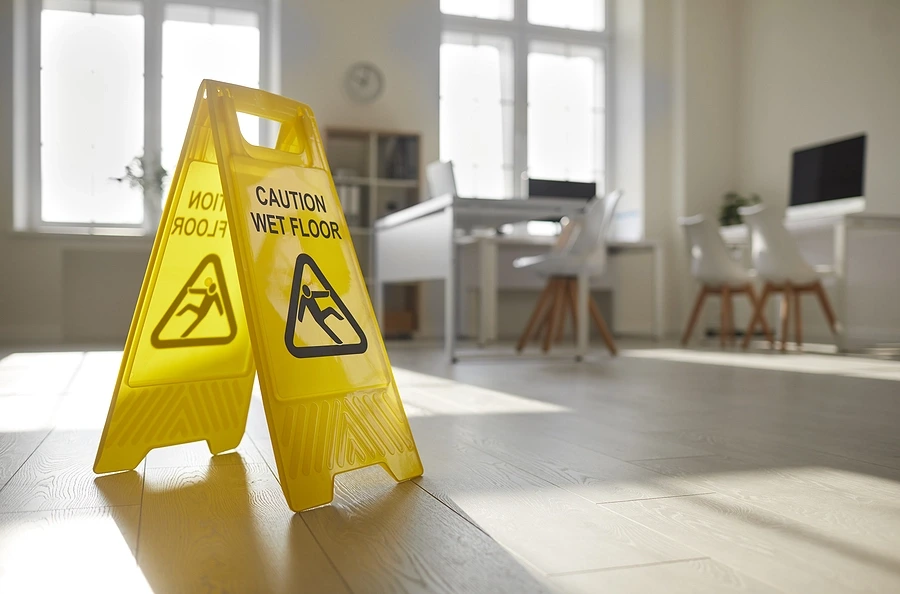
Property owners in Oklahoma have a legal responsibility to maintain their premises safely. This responsibility extends to anyone who enters the property, whether they are invited guests, customers, or even people passing through. Premises liability laws exist to protect visitors from harm caused by unsafe conditions, and understanding these protections can help individuals know their rights if they are injured.
Premises liability cases cover a wide range of accidents, including slips and falls, injuries from falling objects, inadequate security, or unsafe building conditions. In Oklahoma, the law recognizes that property owners cannot always prevent accidents entirely. However, they are expected to take reasonable steps to reduce foreseeable risks. When they fail to do so and someone is injured, the property owner may be legally responsible for those injuries.
Understanding Who is Protected
Oklahoma law distinguishes between different types of visitors. The main categories include invitees, licensees, and trespassers. These distinctions are important because the duty of care owed by the property owner changes depending on the visitor’s status.
Invitees are people who enter a property for a business purpose or because the property is open to the public. For example, shoppers in a grocery store or diners in a restaurant are invitees. Property owners owe invitees the highest level of care. They must actively inspect the property for hazards, fix dangerous conditions, and warn visitors about risks that are not obvious.
Licensees are visitors who enter the property for their own purposes but with the owner’s permission. Social guests in a home are a common example. Property owners must warn licensees of any known dangers, but they are not required to search for hidden hazards as thoroughly as they must for invitees.
Trespassers, on the other hand, enter a property without permission. Property owners in Oklahoma generally owe the lowest duty to trespassers. They must avoid intentional harm but are not usually responsible for accidents caused by ordinary hazards. However, there are exceptions, particularly when the trespasser is a child and could be lured by attractive hazards, such as a swimming pool or playground equipment.
Common Types of Premises Liability Claims in Oklahoma
Premises liability claims arise from a variety of situations. Slip and fall accidents are the most common. Wet floors, uneven sidewalks, loose carpeting, and icy conditions can all lead to serious injuries if property owners fail to address them. In these cases, the law evaluates whether the property owner knew or should have known about the dangerous condition and failed to act.
Other types of claims involve structural defects or maintenance issues. A broken stair railing, missing handrail, or collapsing ceiling can cause injuries if the property owner neglected their duty to maintain the building. In addition, injuries caused by falling objects, such as merchandise in a store or tools on a construction site, can also lead to legal claims.
Premises liability also covers security-related incidents. Property owners who fail to provide adequate lighting, lock doors, or secure dangerous areas can be held responsible if a visitor is harmed due to criminal activity on the premises. These cases require showing that the owner should have reasonably foreseen the risk of harm and took insufficient measures to prevent it.
Proving a Premises Liability Case
Proving a premises liability case in Oklahoma involves several key elements. First, the injured person must show that they were legally on the property. This involves clarifying whether they were an invitee, licensee, or, in some cases, a trespasser.
Second, the plaintiff must prove that the property owner had a duty of care and breached it. This might involve showing that the owner knew about a hazard and failed to fix it or warn visitors, or that a reasonable property owner would have taken precautions to prevent the injury.
Third, the injured person must demonstrate that the breach directly caused their injury. This requires evidence of the accident and the resulting harm. Medical records, photographs of the property, and witness statements can be critical in establishing this link.
Finally, the injured person must show that they suffered damages. Damages may include medical expenses, lost wages, pain and suffering, and other related costs. In Oklahoma, compensation may be reduced if the injured person is found partially at fault, according to the state’s comparative negligence laws.
Preventive Measures and Property Owner Responsibilities
Oklahoma law encourages property owners to take proactive steps to prevent injuries. Regular inspections, timely repairs, proper signage, and adherence to building codes are all ways to reduce the risk of accidents. Property owners who actively maintain safe conditions and respond quickly to hazards can often prevent accidents from occurring in the first place.
Visitors can also take steps to protect themselves. Paying attention to surroundings, following posted signs, and reporting dangerous conditions can reduce the likelihood of injury. However, even cautious behavior does not eliminate the right to seek legal recourse if a property owner’s negligence causes harm.
Legal Assistance and Protection of Rights
Premises liability cases can be complex. Insurance companies may attempt to limit compensation, and property owners may dispute claims. Hiring an experienced personal injury lawyer in Oklahoma can help injured visitors understand their rights and navigate the legal process. Attorneys can gather evidence, work with experts, and negotiate settlements to ensure fair compensation.
It is also important to act promptly. Oklahoma has statutes of limitations that restrict the time available to file a premises liability claim. In general, injured individuals have two years from the date of the accident to initiate a personal injury lawsuit. Missing this window can result in losing the right to pursue compensation.
Conclusion
Oklahoma’s premises liability laws play a vital role in protecting visitors from unsafe conditions on both public and private property. These laws ensure that property owners take reasonable steps to prevent injuries and provide legal avenues for individuals harmed by negligence. Understanding the responsibilities of property owners and the rights of visitors can help prevent accidents and provide recourse when injuries occur. Anyone injured on another person’s property should carefully document the incident, seek medical attention, and consult with a personal injury attorney to protect their legal rights and pursue appropriate compensation.