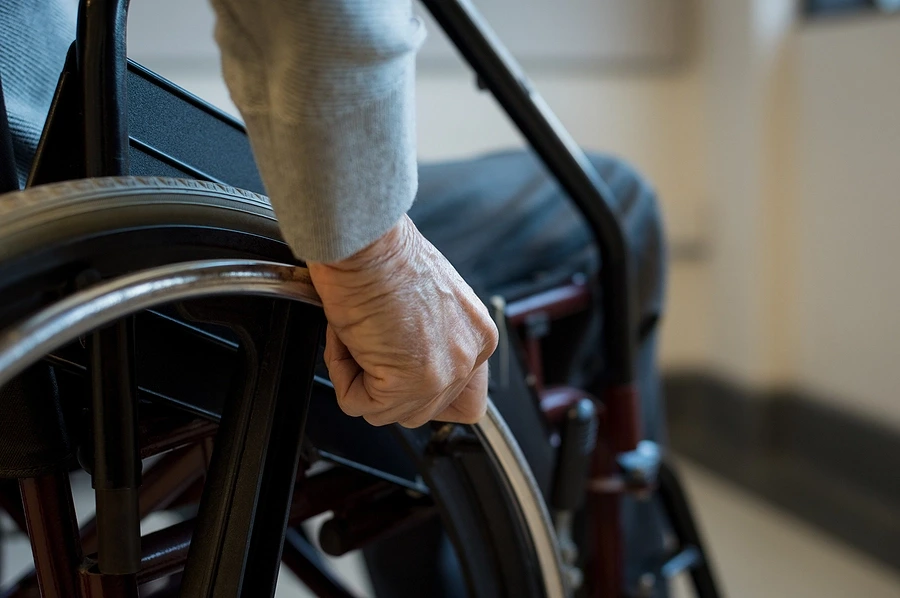
Slip and fall accidents happen in many different settings across Oklahoma. A quick trip through a grocery store, a walk across a parking lot, or a visit to a friend’s home can turn dangerous without warning. While many people assume these accidents only cause temporary pain or minor setbacks, the truth is that a fall can have lasting consequences. Some injuries may lead to long-term disabilities that affect a person’s health, daily routine, and ability to work. When this happens, the injured person may need to pursue a disability claim or a personal injury claim to secure financial support.
How a Simple Fall Can Lead to Serious Complications
Not every slip and fall results in a major injury. Some people get back up quickly. Others do not. Even a fall that seems minor at first can create hidden damage. The body absorbs the impact in ways that are not always visible. If a person lands awkwardly or strikes a hard surface, the harm can be long-lasting.
Falls are one of the leading causes of unexpected injury nationwide. In Oklahoma, these incidents contribute to many emergency room visits each year. Hazardous conditions such as wet floors, uneven walkways, loose carpeting, poor lighting, and icy sidewalks increase the risk. Property owners have a legal duty to address these dangers. When they fail to do so, serious injuries can occur.
Some people recover quickly. Others face months or even years of medical treatment. The severity of the injury depends on several factors, including a person’s age, health, and how they fell. For older adults, the risks are even higher. A single fall can start a chain reaction of medical complications that permanently change their quality of life.
Common Injuries That Lead to Long-Term Disability
Different types of injuries can develop after a fall, but several are known for causing long-term physical limitations. These include:
Traumatic brain injuries
A fall that involves a blow to the head can lead to a traumatic brain injury. Even mild brain injuries may cause prolonged headaches, memory problems, difficulty concentrating, or mood changes. More serious brain injuries can lead to permanent disability. Cognitive issues may prevent people from returning to their jobs or functioning independently.
Spinal cord and back injuries
A sudden impact can damage the spinal cord, vertebrae, or discs. These injuries often cause chronic pain, limited mobility, or nerve damage. Some people develop long-term conditions such as sciatica or herniated discs. Severe spinal injuries can result in partial paralysis or a lifelong need for mobility assistance.
Hip, knee, and joint injuries
Falls can fracture hips or cause significant joint damage. These injuries may require surgery and extended rehabilitation. For older adults, a hip fracture is one of the most disabling injuries. Many people find it difficult to return to their previous activity level.
Shoulder injuries
A person falling forward often braces themselves with their arms. This can lead to torn ligaments, fractured bones, or dislocations. Chronic shoulder problems can make daily tasks challenging, especially if the injury affects a person’s dominant arm.
Soft tissue injuries
Sprains and strains may sound minor, but they can develop into persistent pain or limitations. Damage to the muscles, ligaments, or tendons can take months to heal. In some cases, the injury never fully recovers, especially if it was severe or not treated promptly.
These injuries show how a single fall can have a long-term impact. When a person cannot recover fully, they may need ongoing financial support for medical care and daily needs.
Why Some Long-Term Problems Do Not Appear Right Away
One of the challenges with fall-related injuries is delayed symptoms. Many people believe they are fine after a fall. Adrenaline often masks pain, and some injuries take time to reveal themselves. For example, brain injuries can worsen over several days. Back injuries may become painful only after swelling increases.
This delay creates complications when filing a disability claim or a personal injury claim. Insurance companies may question the seriousness of the injury or argue that the condition came from another cause. Seeking medical attention immediately after a fall is critical, even if the injuries seem minor. Early documentation makes it easier to prove the connection between the fall and the long-term health issues.
How Long-Term Disability Claims Come into Play
When injuries prevent someone from working for an extended time, they may qualify for short-term or long-term disability benefits. These benefits help replace part of a person’s income. In some cases, the injured person may seek federal disability benefits through the Social Security Administration.
To qualify for disability based on a fall injury, the person must show that the condition prevents them from performing substantial work activities. Medical records are essential. So are doctors’ opinions, functional assessments, and evidence showing that the person cannot return to their previous job.
For many Oklahomans, this is not a simple process. Disability claims often involve strict requirements and detailed medical proof. Many first-time applications are denied. People may need to appeal or submit additional documentation to demonstrate the severity of their limitations.
When a Slip and Fall Incident Becomes a Personal Injury Case
A slip and fall injury can also form the basis of a personal injury claim under Oklahoma premises liability law. This type of claim focuses on the property owner’s responsibility. If a dangerous condition existed and the owner knew or should have known about it, they may be held liable for the resulting injuries.
A successful personal injury claim may allow the injured person to recover compensation for:
- Medical expenses
- Future medical care
- Lost wages
- Loss of future earning capacity
- Pain and suffering
- Long-term disability effects
In cases where a fall leads to permanent disability, the financial impact can be significant. Lost income, ongoing treatments, and the need for mobility aids can create serious burdens. Legal compensation can help relieve some of these pressures.
The Importance of Early Legal Guidance
After a fall, the focus is often on healing. Legal action may not be the first priority. However, contacting a personal injury attorney early in the process can make a difference. Attorneys can help gather evidence, deal with insurance companies, and document the long-term effects of the injury.
Because disability claims and personal injury claims often overlap, an attorney who understands both areas can help build a strong case. They can ensure that the injured person’s long-term needs are taken into account, rather than just the immediate harm.
Steps Oklahomans Should Take After a Serious Fall
Anyone injured in a slip and fall accident should take the following steps to protect their health and legal rights:
- Seek medical treatment immediately to assess hidden or delayed injuries.
- Report the incident to the property owner or manager.
- Document the scene by taking photos or videos of the hazard.
- Gather witness information if others saw the fall happen.
- Keep all medical records and follow treatment recommendations.
- Avoid giving recorded statements to insurance adjusters without legal guidance.
- Consult a personal injury lawyer to discuss long-term disability effects and claim options.
Following these steps helps establish a clear record of the injury and how it affects daily life.
How a Lawyer Helps Prove Long-Term Disability After a Fall
Proving long-term disability is often challenging without legal support. Insurance companies may argue that the injury was pre-existing or that the person should have recovered sooner. A lawyer can help demonstrate the full impact of the injury by:
- Reviewing medical records
- Consulting medical experts
- Showing how the injury limits day-to-day activities
- Calculating long-term financial losses
- Collecting evidence about the unsafe property condition
- Preparing disability claim documentation
- Representing the injured person during appeal
This support is especially important when the injuries involve the spine, joints, or brain, as these conditions often create complex medical issues.
Conclusion
Slip and fall injuries are often underestimated. Many Oklahomans assume that a fall will lead to only temporary pain. Unfortunately, that is not always true. Severe falls can cause long-term disabilities that change how a person works, moves, and lives. These injuries may require extensive treatment and financial support.
Understanding how a fall can lead to lasting disability helps injured people recognize when they should seek legal help. A personal injury lawyer can explain available options, assist with disability claims, and pursue compensation for long-term harm. With the right guidance, injured individuals can focus on recovery while protecting their future.