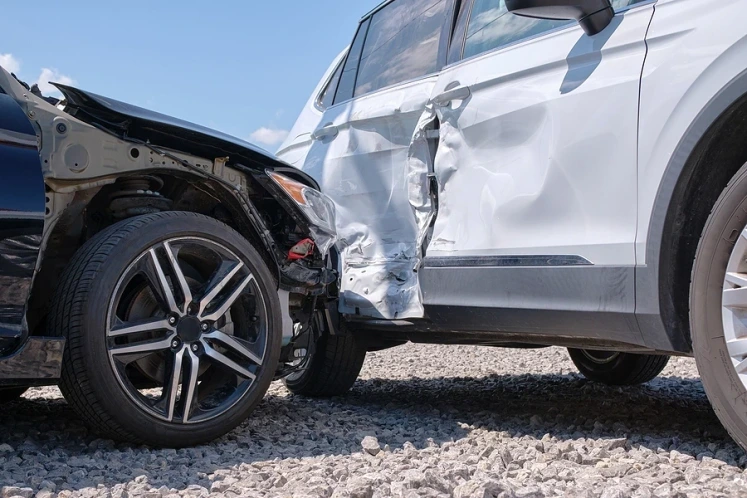
Car accidents can leave more than just visible damage. Even after repairs, a vehicle may lose market value due to its accident history. This reduction, known as diminished value, can impact the resale or trade-in price of a vehicle. In Oklahoma, drivers involved in accidents caused by another party may have the right to pursue compensation for this loss. Understanding how to approach a diminished value claim is essential for ensuring fair compensation.
Understanding Diminished Value Claims
A diminished value claim seeks to recover the difference between a vehicle’s value before an accident and its value after repairs. Even if a car is fully repaired, buyers and dealerships often view a previously damaged vehicle as less desirable, which lowers its market value. Oklahoma law allows owners to seek compensation for this loss, but claims can be complicated and require careful documentation.
There are generally three types of diminished value:
-
Immediate Diminished Value: The loss in value immediately after the accident, before any repairs are made.
-
Inherent Diminished Value: The most common type, which reflects the stigma of having an accident on a vehicle’s history, even if it is fully repaired.
-
Repair-Related Diminished Value: Occurs if repairs are substandard or incomplete, further reducing the car’s value.
Most claims focus on inherent diminished value, as it captures the difference buyers perceive regardless of repair quality.
Documenting the Vehicle’s Pre-Accident Condition
A critical step in maximizing a diminished value claim is proving the vehicle’s condition before the accident. Detailed documentation establishes a baseline for the vehicle’s market value. Important steps include:
-
Maintain Service Records: Regular maintenance records demonstrate that the vehicle was well cared for prior to the accident.
-
Obtain Vehicle Appraisals: Professional appraisals conducted before the accident can help establish the vehicle’s market value.
-
Gather Evidence of Upgrades or Modifications: Features like upgraded audio systems, new tires, or custom additions can influence pre-accident value.
Strong documentation helps show that the loss in value is directly related to the accident rather than wear and tear or market fluctuations.
Accurate Assessment After Repairs
After the vehicle is repaired, it is important to assess its post-accident condition. This assessment determines the actual loss in value and provides the foundation for the claim. Steps include:
-
Use Certified Appraisers: A professional appraisal can quantify the diminished value based on the vehicle’s history, condition, and market trends.
-
Keep Repair Records: Retain all invoices, receipts, and documentation from the repair shop. These records demonstrate the quality of repairs and support your claim.
-
Photograph the Vehicle: Take detailed photos of the repaired areas, overall condition, and any imperfections that may affect value.
Professional and detailed assessments increase credibility with insurance companies and strengthen the argument for compensation.
Understanding Oklahoma’s Insurance Requirements
Oklahoma drivers are required to carry liability insurance, which covers damages caused to other people or property. In diminished value claims, the at-fault party’s insurance is typically responsible for compensating the vehicle owner. Policy limits, coverage types, and the insurance adjuster’s approach can all influence the settlement process.
It is important to:
-
Report the Claim Promptly: Notify the at-fault driver’s insurance company as soon as possible.
-
Provide Complete Documentation: Include repair records, appraisals, photos, and any pre-accident evidence.
-
Avoid Early Settlements: Accepting an initial offer may prevent recovery of the full diminished value, as insurance companies often undervalue claims.
Understanding how insurance companies handle diminished value claims helps set realistic expectations and prepares you for negotiation.
Engaging a Professional Appraiser
An independent, certified appraiser can provide an objective valuation of the vehicle’s diminished worth. Appraisers consider factors such as:
-
Vehicle age, make, and model
-
Mileage and overall condition before and after the accident
-
Extent of repairs and whether original parts were used
-
Market data for similar vehicles with and without accident history
Insurance companies are more likely to accept claims supported by professional appraisals rather than owner estimates. Investing in an experienced appraiser can significantly increase the likelihood of fair compensation.
Negotiating With Insurance Companies
Insurance adjusters may attempt to minimize payouts for diminished value claims. To negotiate effectively:
-
Present a Clear Argument: Include appraisals, repair records, and market comparisons.
-
Know the Vehicle’s Market Value: Research the selling price of similar vehicles with accident history.
-
Highlight Quality Repairs: Emphasize that even with excellent repairs, the accident history affects market perception.
-
Be Prepared to Challenge Low Offers: Insurers may initially offer less than the vehicle’s true diminished value.
Effective negotiation often requires persistence, documentation, and professional support to ensure the settlement reflects the actual loss.
When to Consult a Personal Injury Attorney
While diminished value claims may seem straightforward, complexities can arise, especially if the insurance company disputes liability or undervalues the claim. Consulting an attorney experienced in Oklahoma personal injury and property damage law can provide several advantages:
-
Evaluate the validity of the claim and potential compensation
-
Guide documentation and evidence collection
-
Handle communication and negotiations with insurance companies
-
Represent the client in legal proceedings if necessary
Having legal support ensures that all steps are taken to maximize compensation and protect your rights.
Additional Tips for Maximizing Compensation
-
Keep Detailed Records: From the moment of the accident, maintain comprehensive documentation of all aspects related to the vehicle and damages.
-
Avoid Quick Repairs Without Documentation: Ensure that repair shops provide detailed invoices and quality work, as poor repairs may lower the claim value.
-
Research Comparable Sales: Understanding market trends and the value of similar vehicles helps support your claim.
-
Act Promptly: Delays in reporting the claim or securing appraisals can weaken the case.
Being proactive and meticulous strengthens the evidence for your claim and increases the likelihood of fair compensation.
Conclusion
Diminished value claims in Oklahoma require careful preparation, accurate documentation, and an understanding of the insurance and legal landscape. Proving that a vehicle has lost value due to an accident involves demonstrating pre-accident condition, quality repairs, and market perceptions. Professional appraisals, repair records, and clear evidence of the accident’s impact are essential.
Insurance companies may undervalue claims, so negotiating with detailed support is critical. Consulting an experienced personal injury attorney can provide guidance, preserve rights, and ensure the claim reflects the true loss in value. By taking these steps, vehicle owners in Oklahoma can maximize compensation and recover the financial loss resulting from an accident.