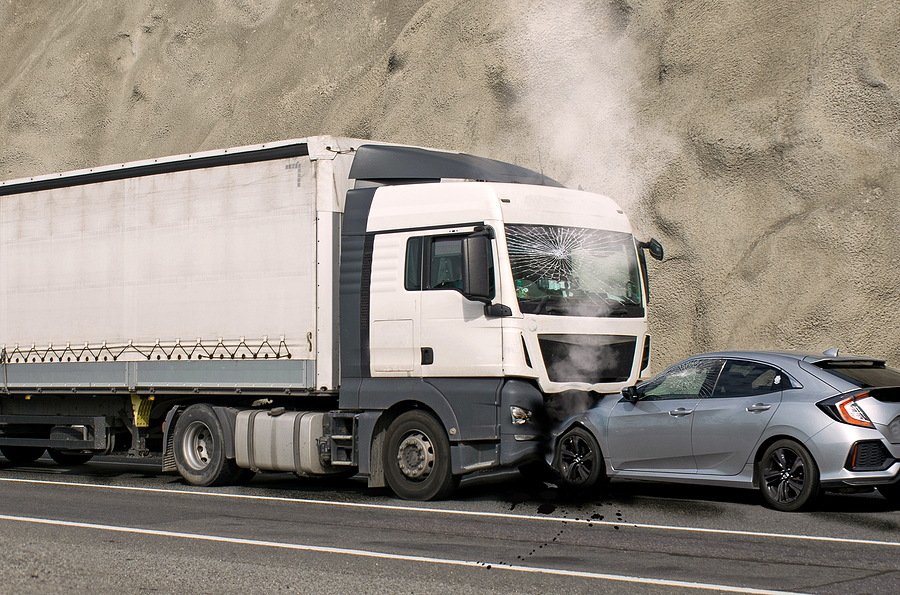
Intersection accidents are among the most common types of vehicle collisions in Oklahoma. They often occur at busy crossroads or residential junctions and can lead to serious injuries or property damage. Determining who is at fault in these cases is not always straightforward. Multiple factors can contribute to an accident, including traffic signals, road conditions, and driver behavior. Understanding how fault is determined can be crucial for anyone pursuing a personal injury claim.
Understanding Oklahoma’s Approach to Fault
Oklahoma follows a modified comparative negligence system. This means that a person can recover damages for an injury even if they are partially at fault, but only if their responsibility does not exceed 50%. If you are deemed more than 50% responsible for the accident, you may not be able to recover any compensation.
In intersection accidents, fault is often assigned based on traffic laws, eyewitness accounts, and physical evidence. The key is to collect and preserve information that clearly shows how the accident happened.
Collecting Evidence at the Scene
The first step after any intersection accident is to ensure safety and seek medical attention if needed. Once everyone is safe, gathering evidence can strengthen a claim. Some critical pieces of evidence include:
- Photographs and videos: Take clear photos of vehicle damage, skid marks, traffic signals, road signs, and the overall intersection layout. Videos from dashcams or nearby surveillance cameras can be especially helpful.
- Witness statements: Passersby or other drivers may have seen the accident. Document their contact information and ask them to describe what they observed.
- Police reports: A police officer’s report can provide an official account of the accident and note any traffic violations. Make sure to request a copy for your records.
- Vehicle information: Exchange names, addresses, insurance details, and vehicle registration numbers with all involved parties.
Detailed documentation helps establish a timeline of events and supports your version of the accident.
Analyzing Traffic Laws and Signals
Traffic laws play a critical role in determining fault at intersections. Oklahoma drivers are expected to follow right-of-way rules, obey traffic signals, and yield to pedestrians. Common violations that contribute to intersection accidents include:
- Running a red light or stop sign
- Failing to yield when turning
- Speeding through an intersection
- Distracted driving, such as using a phone
Understanding the specific traffic rules that were in effect at the time of the accident can clarify which driver was negligent. In some cases, expert witnesses, like accident reconstruction specialists, may analyze vehicle positions and speeds to determine who violated the law.
Considering Contributory Factors
Not all accidents are caused by a single action. Several factors can influence an intersection collision, including:
- Weather conditions such as rain, ice, or fog
- Poorly maintained roads or unclear signage
- Vehicle malfunctions, including brake failures or tire blowouts
While these factors can affect liability, driver negligence is often the primary focus. Courts and insurance companies will look at whether each driver acted reasonably under the circumstances.
Using Expert Analysis
Accident reconstruction experts can play a crucial role in proving fault. They use physical evidence, vehicle damage, skid marks, and even traffic camera footage to recreate the accident. Their analysis can show the sequence of events and the speeds at which vehicles were traveling. In complicated intersection accidents, expert testimony may be decisive in proving which driver was responsible.
Medical and Repair Documentation
In addition to proving fault, documenting injuries and property damage is essential for any legal claim. Keep records of medical treatments, hospital bills, and rehabilitation costs. Similarly, maintain estimates for vehicle repairs and other property damage. These records demonstrate the financial impact of the accident and support compensation claims.
Communicating with Insurance Companies
Insurance adjusters will investigate the accident and may attempt to assign fault quickly. It’s important to be cautious when speaking with insurers. Provide only factual information about the accident and avoid admitting fault. Consider consulting a personal injury attorney before giving statements, especially if the accident resulted in significant injuries.
Filing a Personal Injury Claim
Once fault is reasonably established, a personal injury claim can be filed against the responsible party’s insurance. An attorney can guide you through the process, negotiate settlements, and, if necessary, represent you in court. Oklahoma law allows claims for medical expenses, lost wages, property damage, and pain and suffering, depending on the circumstances.
Steps to Take After an Intersection Accident
- Ensure safety: Move vehicles if possible and seek medical attention.
- Call the police: Obtain a police report to document the incident.
- Gather evidence: Take photos, record witness statements, and preserve any physical evidence.
- Document injuries and damages: Keep thorough medical and repair records.
- Consult an attorney: An experienced personal injury lawyer can help assess fault and guide your claim.
Conclusion
Proving fault in an intersection accident in Oklahoma requires careful attention to detail, knowledge of traffic laws, and thorough documentation. Collecting evidence, obtaining witness statements, and understanding the legal framework are essential steps. Working with a qualified personal injury attorney can help ensure that your rights are protected and that you receive fair compensation for your losses.
Intersection accidents can be complex, but taking prompt and organized action improves your chances of a successful claim. Remember that Oklahoma’s comparative negligence law means that even partially responsible drivers can pursue compensation, making thorough evidence collection critical for a fair outcome.