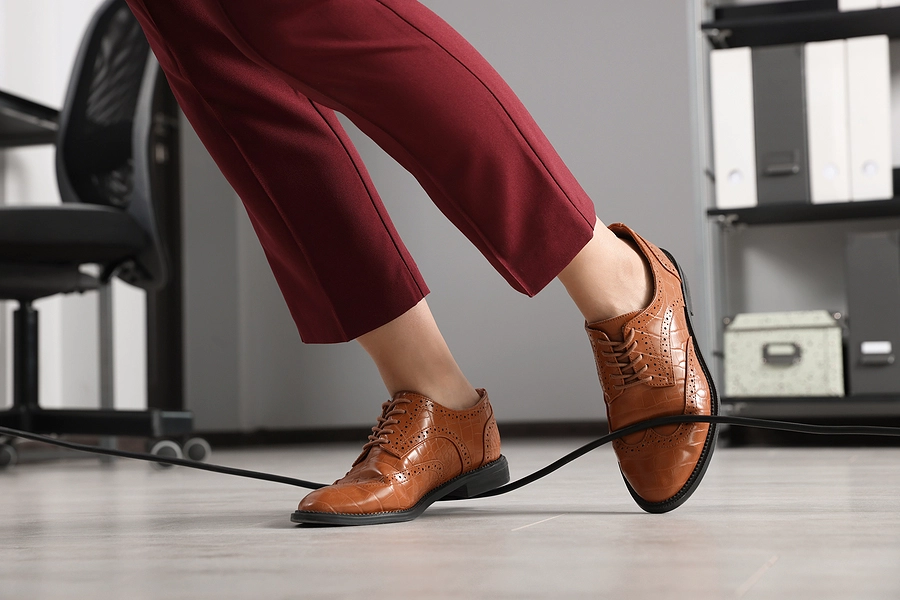
Slip and fall accidents happen more often than most people realize. They can occur in grocery stores, restaurants, office buildings, or even private homes. When someone slips and suffers an injury due to a hazardous condition, Oklahoma law allows them to seek compensation through a personal injury claim. However, proving negligence is essential for a successful case. Understanding what constitutes negligence and how to gather evidence can make a significant difference in the outcome.
The Legal Basis for Slip and Fall Claims
In Oklahoma, slip and fall claims fall under premises liability law. Property owners have a legal duty to maintain safe conditions for visitors. This duty varies depending on the type of visitor. For example, a business owner owes a higher duty of care to customers than a homeowner does to a social guest. Despite the differences, the principle is the same: property owners must address hazards or warn visitors of known dangers.
Negligence occurs when a property owner fails to meet this duty, and someone is injured as a result. To prove negligence in a slip and fall case, a claimant must show four key elements: duty, breach, causation, and damages.
Establishing Duty and Breach
The first step is proving that the property owner had a duty to maintain a safe environment. In most public and commercial spaces, the duty is clear. Floors should be free of spills, debris should be removed promptly, and hazards like uneven surfaces or broken handrails should be fixed.
The next step is showing that the owner breached this duty. A breach occurs when the property owner fails to act reasonably under the circumstances. For instance, if a store employee knew about a wet floor and did not place warning signs or clean it promptly, this could be considered a breach. In some cases, the breach may not be as obvious. Poor lighting, loose carpeting, or a damaged staircase could also constitute negligence if the owner should have known about the hazard and failed to correct it.
Gathering Evidence at the Scene
Evidence is crucial in proving negligence. Ideally, documentation should start at the scene of the accident. Take photos of the hazard, the surrounding area, and any contributing conditions. If there were warning signs, note whether they were visible and sufficient. Collecting witness statements can also strengthen your case. Employees, customers, or passersby may have seen the hazard or the incident itself. Their testimony can provide a clear account of what happened.
Medical records are another critical piece of evidence. They establish the severity of the injuries and connect them to the slip and fall incident. Keep a detailed record of all treatments, doctor visits, and any rehabilitation. This documentation helps demonstrate damages, which are necessary to support your claim.
Proving Causation
Causation links the property owner’s breach of duty to your injury. It is not enough to show that the property was unsafe; you must demonstrate that the unsafe condition directly caused your injury. Medical reports, accident reconstruction, and witness accounts can all support this connection. In some cases, expert testimony may be required. For example, if a slip and fall happened due to a complex structural defect, a building safety expert could explain how the defect led to the accident.
Comparative Fault in Oklahoma
Oklahoma follows a modified comparative fault rule. This means that if the injured person is partially responsible for the accident, their compensation may be reduced. For example, if you were texting while walking and failed to notice a wet floor, the court might assign partial fault to you. If your fault is determined to be more than 50%, you may not recover any damages. Understanding how comparative fault works is crucial when preparing your case.
Types of Damages You Can Claim
Damages in slip and fall cases can be economic or non-economic. Economic damages include medical bills, lost wages, and future medical expenses. Non-economic damages cover pain and suffering, emotional distress, and loss of enjoyment of life. In some instances, punitive damages may be awarded if the property owner’s conduct was especially reckless or intentional. Documenting your injuries and losses thoroughly ensures you can pursue the full range of compensation you deserve.
The Role of an Experienced Personal Injury Lawyer
Navigating a slip and fall claim can be complicated. An experienced personal injury lawyer in Oklahoma can help gather evidence, deal with insurance companies, and build a strong case. Lawyers understand the legal standards and procedural rules that must be followed to preserve your rights. They can also advise you on settlement offers and represent you in court if necessary.
Early legal assistance is important. Property owners and insurance companies often conduct investigations immediately after an accident. Having legal guidance ensures that your statements and evidence are presented correctly and that your case is protected from the start.
Common Challenges in Slip and Fall Cases
Slip and fall cases can be challenging. Property owners may claim they were unaware of the hazard, that it existed for only a short time, or that the injured person caused the accident. Disputes often arise over who is at fault and the extent of the injury. Collecting comprehensive evidence and expert testimony can address these challenges. Every detail matters, from surveillance footage to maintenance records.
Another common challenge is the statute of limitations. In Oklahoma, personal injury claims generally must be filed within two years of the accident. Delaying too long can result in losing the right to pursue compensation. Acting promptly ensures that evidence remains available and your claim stays valid.
Steps to Strengthen Your Case
To improve your chances of success in a slip and fall claim, follow these steps:
- Seek medical attention immediately to document injuries.
- Report the accident to the property owner or manager in writing.
- Collect evidence at the scene, including photos, videos, and witness contact information.
- Preserve records of all medical treatment and related expenses.
- Avoid admitting fault when speaking with property owners or insurance representatives.
- Consult a personal injury attorney as soon as possible to guide your case.
Conclusion
Proving negligence in a slip and fall case in Oklahoma requires careful attention to detail. You must establish that the property owner had a duty, breached that duty, and caused your injuries. Comprehensive evidence, medical records, and witness accounts play a vital role. Understanding comparative fault, documenting damages, and seeking legal guidance can make the difference between a successful claim and a denied one. If you or a loved one has been injured in a slip and fall accident, taking prompt action is essential to protect your rights and secure the compensation you need.