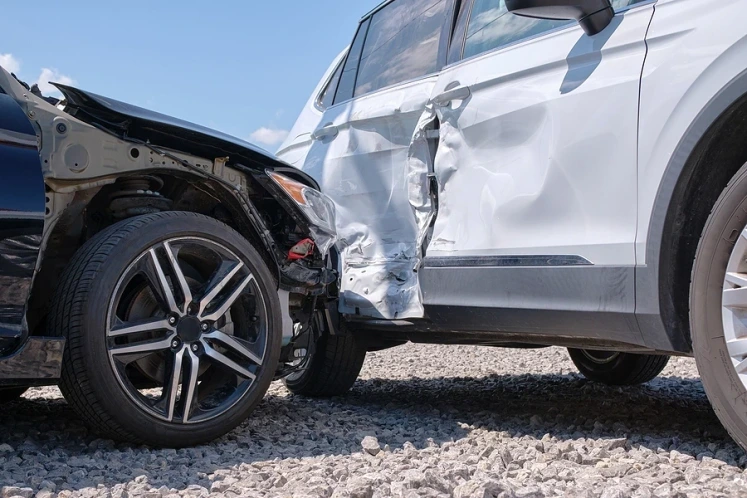
Oklahoma experiences a wide variety of weather conditions throughout the year. From heavy rain and ice in the winter to high winds and severe storms in the spring and summer, drivers face hazards that can make even routine trips dangerous. Weather-related accidents are a serious concern in the state, and understanding how these conditions contribute to crashes can help drivers stay safer on the roads. It also highlights the importance of knowing your rights if you are injured in an accident caused by hazardous weather conditions.
Rain and Wet Roads
One of the most common contributors to car accidents in Oklahoma is rain. Even light rain can reduce tire traction, increase stopping distances, and make it more difficult to control a vehicle. Wet roads can also create hydroplaning, a dangerous situation where tires lose contact with the road surface, causing drivers to skid uncontrollably. Puddles and standing water make this risk worse, particularly on roads with poor drainage or areas prone to flooding.
Drivers may underestimate how slippery wet roads can be. Many accidents occur when drivers fail to adjust their speed to match the conditions. Tailgating, sudden lane changes, and sharp turns become especially hazardous in rainy weather. Drivers injured in accidents during rain should understand that fault may still be determined by negligent driving, even if the weather played a role.
Ice and Snow
While Oklahoma does not experience as much snow as northern states, winter conditions still pose serious risks. Ice can form quickly on bridges, overpasses, and shaded areas, creating invisible hazards known as black ice. Snow reduces visibility and makes it harder to maintain control, particularly for drivers who are not accustomed to winter driving.
Collisions in icy conditions often involve multiple vehicles sliding into each other. Rear-end accidents are especially common because vehicles cannot stop as quickly on slick surfaces. Drivers should take extra precautions in winter, such as slowing down, increasing following distance, and ensuring their vehicles are properly equipped for icy conditions. If you are injured in a winter-related crash, a personal injury lawyer can help determine whether another driver’s failure to adjust to the conditions contributed to your accident.
Fog and Reduced Visibility
Fog is another weather condition that frequently contributes to accidents in Oklahoma. Low visibility can make it difficult for drivers to see other vehicles, pedestrians, or obstacles in the road. Fog is particularly dangerous during early morning or late evening hours when visibility is already reduced.
In foggy conditions, it is essential to use low-beam headlights and reduce speed. Many accidents occur when drivers overestimate their ability to navigate through dense fog. Chain-reaction collisions are more likely in these situations because drivers may not see stopped or slowing traffic ahead. Evidence such as dashcam footage or witness testimony can be crucial when proving fault in fog-related accidents.
High Winds and Severe Storms
Oklahoma is located in Tornado Alley, making high winds and severe storms a frequent occurrence. Strong gusts can push vehicles out of their lane, especially high-profile vehicles like trucks and SUVs. Debris blown onto the roadway by storms can cause sudden swerving or loss of control, leading to collisions. Tornadoes, hail, and lightning also create unpredictable hazards that drivers cannot always avoid.
During storms, it is safest to avoid driving unless absolutely necessary. If an accident occurs, insurance and liability claims can become complex because weather plays a role. However, drivers who act recklessly in dangerous weather, such as speeding through a storm or failing to maintain control, may still be held responsible.
Sun Glare
While not as obvious as rain or ice, sun glare is a weather-related hazard that contributes to accidents in Oklahoma. Early morning or late afternoon sun can temporarily blind drivers, making it difficult to see traffic signals, other vehicles, or pedestrians. Sun glare can also cause misjudgment of distances, leading to collisions at intersections or when changing lanes.
Drivers should use sun visors and polarized sunglasses to reduce glare. Slowing down and maintaining a safe following distance can prevent accidents caused by temporary vision obstruction. In cases where sun glare contributes to a crash, liability may involve multiple factors, including whether the driver was attentive and following traffic laws.
Preventing Weather-Related Accidents
While drivers cannot control the weather, they can take steps to reduce the risk of accidents. Slowing down, increasing following distance, and avoiding sudden maneuvers are essential strategies. Ensuring your vehicle is well-maintained, including brakes, tires, and windshield wipers, also helps improve safety in adverse conditions. Drivers should pay attention to weather advisories and avoid traveling during severe storms or icy conditions whenever possible.
Even with precautions, accidents can still happen. Oklahoma law allows injured drivers to pursue compensation if another driver’s negligence contributes to a crash. Evidence of weather conditions at the time of the accident, such as photographs, traffic camera footage, or weather reports, can be useful in building a case. A personal injury lawyer can help gather this information and navigate insurance claims or litigation.
Understanding Liability in Weather-Related Accidents
Many people assume that accidents caused by bad weather are unavoidable and that no one is at fault. While weather may increase risk, liability is still determined by driver behavior. Speeding on wet roads, following too closely, distracted driving, and failure to yield are examples of negligent actions that can make a driver responsible for an accident. Proving fault may require careful documentation and investigation, especially when weather conditions are involved.
Insurance companies often try to reduce payouts in weather-related claims by arguing that the accident was unavoidable. Having an experienced lawyer can help ensure your rights are protected and that you receive compensation for medical bills, lost income, and other damages caused by the accident.
Seeking Legal Help After a Weather-Related Crash
If you are injured in a car accident due to hazardous weather, it is important to seek legal advice promptly. An attorney experienced in personal injury cases can help you understand your options, communicate with insurance companies, and gather evidence to support your claim. Time is critical for collecting evidence, obtaining medical records, and filing a claim within Oklahoma’s statute of limitations.
Weather-related accidents can be complex, but victims should not assume they cannot recover damages. Legal professionals can help clarify whether another driver’s negligence contributed to the crash and guide you through the process of pursuing compensation.
Conclusion
Weather conditions in Oklahoma create a variety of hazards for drivers. Rain, ice, snow, fog, high winds, and sun glare all increase the likelihood of car accidents. While drivers cannot control the weather, they can take precautions to reduce risk and respond appropriately when accidents occur. If you are injured due to another driver’s negligence in adverse weather, understanding your legal rights and seeking professional guidance is essential. Personal injury lawyers can help navigate the complexities of weather-related crashes and ensure you receive the compensation you deserve.