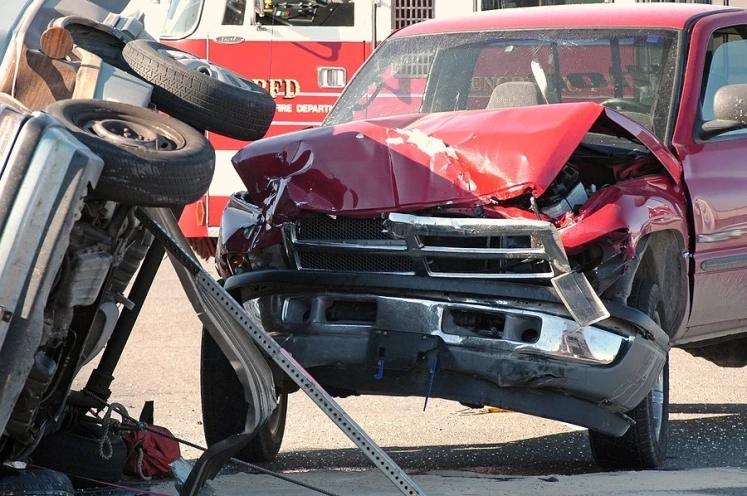
Being involved in a car accident can be overwhelming. The moments after a collision are often stressful and confusing. Despite the shock, knowing the right steps to take can protect your health, preserve evidence, and safeguard your legal rights. In Oklahoma, following proper procedures after a car accident is crucial, whether you are dealing with minor damage or serious injuries.
Check for Injuries and Call for Help
The first priority after any accident is safety. If anyone is injured, call 911 immediately. Even if injuries appear minor, medical attention should be sought, as some conditions may not be immediately apparent. If it is safe to do so, move vehicles out of traffic to prevent further accidents. Turn on hazard lights to alert other drivers.
Do not attempt to move seriously injured individuals unless there is an immediate danger, such as a fire. Emergency responders are trained to handle these situations safely. Getting prompt medical care not only protects your health but also creates documentation that may be important for any future legal or insurance claims.
Ensure Safety at the Scene
Once emergency services are contacted, focus on preventing additional hazards. If the accident occurs on a busy road, it may be necessary to set up warning triangles or flares if available. Stay inside your vehicle if the surrounding traffic makes it unsafe to exit.
Be cautious of approaching drivers. Accidents can attract onlookers, which sometimes leads to further collisions. Remaining calm and aware of your surroundings helps prevent secondary accidents and protects everyone at the scene.
Call the Police
In Oklahoma, it is generally required to report car accidents to law enforcement when there is injury, death, or property damage exceeding $1,000. Even in minor accidents, having a police report can provide an official account of the incident.
When officers arrive, provide factual information without speculating or admitting fault. Answer questions clearly and concisely. Avoid arguing with other drivers or making statements that could be misinterpreted. The police report will serve as an important record for insurance claims and potential legal actions.
Gather Information
Collecting detailed information at the scene is essential. Exchange names, addresses, phone numbers, and insurance details with all drivers involved. Note vehicle makes, models, colors, and license plate numbers.
If there were witnesses, ask for their contact information as well. Witness statements can be valuable if there are disputes about how the accident occurred. Documenting this information immediately ensures accuracy and reduces the risk of details being forgotten or altered.
Document the Scene
Take photographs or videos of the accident scene from multiple angles. Capture damage to all vehicles, skid marks, road conditions, traffic signals, and any visible injuries. Include surrounding landmarks or street signs to help establish the location.
If weather conditions contributed to the accident, such as rain, fog, or ice, document these as well. Photographic evidence can strengthen your claim and provide clarity in situations where fault is contested.
Avoid Admitting Fault
It is important to avoid making statements that could imply responsibility for the accident. Even if you feel partly at fault, never say so at the scene. Oklahoma follows a comparative negligence system, meaning damages may be reduced based on your percentage of fault. Admitting fault prematurely can negatively affect your claim or legal case.
Focus on providing facts about what happened without speculating about causes or assigning blame. Your personal injury attorney and insurance companies can determine liability after reviewing all evidence.
Notify Your Insurance Company
Contact your insurance company as soon as possible to report the accident. Provide accurate information, but avoid making detailed statements about fault. Stick to the facts: when and where the accident occurred, who was involved, and the extent of damages.
Prompt notification helps ensure coverage and can prevent claims from being denied due to delayed reporting. Keep a record of all communication with your insurance company, including names, dates, and reference numbers.
Seek Medical Evaluation
Even if you feel fine, seeing a medical professional shortly after the accident is highly recommended. Injuries such as whiplash, internal bleeding, or concussions may not show symptoms immediately. A medical evaluation provides documentation of any injuries and establishes a timeline, which is important for personal injury claims.
Follow all medical advice and maintain detailed records of treatments, prescriptions, and follow-up appointments. This documentation is crucial for proving damages and obtaining compensation for medical expenses.
Avoid Social Media Discussions
Do not post details, photos, or opinions about the accident on social media. Insurance companies, opposing parties, and attorneys may use these posts to dispute claims. Even seemingly innocent comments can be misinterpreted and harm your case.
Keep discussions about the accident limited to your attorney, your insurance company, and law enforcement. This helps protect your legal position and ensures that your statements cannot be used against you.
Consult a Personal Injury Attorney
If you suffered injuries, significant property damage, or there is a dispute over fault, consulting a personal injury lawyer is essential. An experienced attorney can guide you through the legal process, help negotiate with insurance companies, and protect your right to compensation.
In Oklahoma, personal injury claims can involve medical bills, lost wages, pain and suffering, and other damages. Legal representation ensures your claim is handled properly and that you do not inadvertently make mistakes that could reduce your recovery.
Keep a Detailed Record
Throughout the process, maintain thorough records of the accident and its consequences. Include medical records, repair estimates, photographs, police reports, and any correspondence with insurance companies. Keeping organized documentation makes it easier to support your claim and provides a clear timeline of events.
Follow Up on Your Claim
After reporting the accident and seeking medical care, stay proactive. Follow up with your insurance company, medical providers, and attorney regularly. Prompt responses and attention to deadlines can prevent delays in receiving compensation.
If the other party disputes the claim or liability is unclear, your attorney can assist in negotiating a settlement or pursuing legal action. Acting promptly helps protect your rights and ensures the process moves efficiently.
Conclusion
The moments after a car accident in Oklahoma can be confusing and stressful. Taking immediate, structured steps can protect your health, preserve evidence, and safeguard your legal rights. Prioritize safety, call emergency services if needed, gather accurate information, document the scene, avoid admitting fault, and seek professional guidance.
Following these steps ensures that you are prepared to handle the aftermath of a car accident effectively. Proper action immediately after a collision can make a significant difference in the outcome of insurance claims and legal cases. Staying informed, calm, and methodical is the best way to protect yourself and your interests.