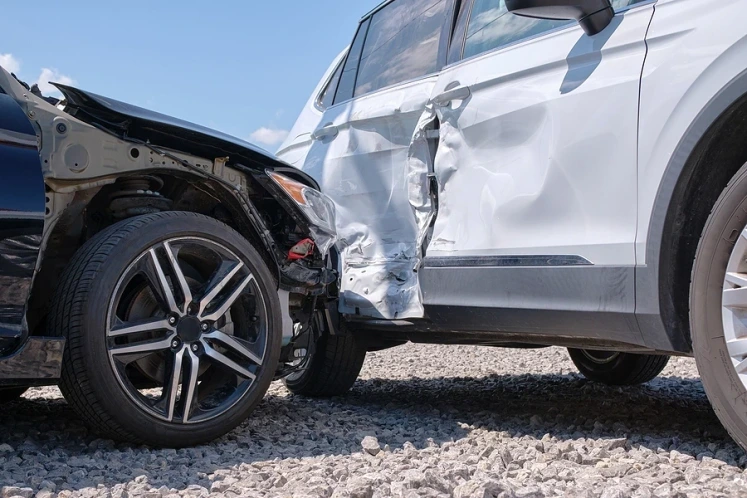
Car accidents in Oklahoma can be stressful and confusing, especially when it comes to figuring out who is responsible. Gathering evidence is a critical part of protecting your rights and building a strong case. In recent years, dashcams and public traffic cameras have become increasingly valuable in documenting accidents. Understanding how this type of footage can be used in Oklahoma car accident claims can help you make informed decisions after a crash.
How Dashcams Work and What They Record
Dashcams are small cameras installed in vehicles to record video while driving. Some dashcams operate continuously, capturing everything on the road, while others activate only when the vehicle senses a sudden movement or collision. These devices can record both the interior and exterior of a vehicle, depending on the model.
Dashcams capture more than just the moment of impact. They can show the events leading up to a crash, including traffic conditions, weather, and other drivers’ behavior. In Oklahoma, this can be especially helpful in proving fault when multiple vehicles are involved or when one driver denies responsibility.
The Value of Dashcam Footage in Legal Claims
When you file a personal injury claim or a property damage claim in Oklahoma, evidence is crucial. Dashcam footage provides an objective account of the accident, which can make it easier to demonstrate how the incident occurred. Insurance adjusters often prefer clear video evidence because it reduces the need for conflicting statements from drivers and witnesses.
Video evidence can help in several ways:
- Proving Fault: Dashcam footage can show who ran a red light, failed to stop, or made an unsafe lane change.
- Documenting Speed and Distance: Video can indicate whether a driver was speeding or following too closely.
- Supporting Injury Claims: Footage can demonstrate the severity of a crash and help validate the injuries claimed.
- Countering False Claims: If another driver exaggerates the circumstances or blames you unfairly, video evidence can clarify the situation.
Traffic Cameras and Public Surveillance
Beyond dashcams, Oklahoma has traffic cameras and public surveillance systems in many urban areas. These cameras are often managed by city or state authorities and capture intersections, highways, and busy streets.
Traffic camera footage can serve as independent evidence when your own dashcam isn’t available or doesn’t show the full picture. For example, cameras at intersections can reveal whether a driver ran a red light or made an illegal turn. Highway cameras can capture high-speed collisions or the actions of multiple vehicles before and after an accident.
Accessing public camera footage can be more complicated than using your own dashcam. It often requires contacting the agency that manages the cameras and submitting a formal request. Legal assistance can help ensure that the footage is preserved and included in your claim.
Challenges in Using Video Evidence
While dashcam and traffic footage can strengthen a claim, there are challenges. Video may not always capture the exact point of impact or all angles of an accident. Some cameras have limited resolution, making it difficult to identify vehicles or read license plates.
Additionally, in Oklahoma, the rules for submitting video evidence require that the footage be authentic and unaltered. Any editing or tampering can reduce its credibility. Legal professionals often help ensure that the evidence is properly collected, preserved, and presented in a way that courts and insurance companies will accept.
Timing and Preservation Are Critical
Video evidence can be lost quickly if it is not preserved. Dashcam footage may automatically overwrite older recordings after a certain period, often a few days or weeks. Public traffic footage may only be stored for a limited time before being recycled.
After an accident, it is essential to secure any video as soon as possible. Save a copy of your dashcam footage immediately. If you believe public cameras may have recorded the incident, contact the managing agency promptly to request that the footage be preserved. Acting quickly can prevent crucial evidence from being lost.
Legal Support Can Make a Difference
In Oklahoma, personal injury claims can be complex, especially when determining fault or negotiating with insurance companies. Having dashcam or traffic footage can give you an advantage, but it’s not enough on its own. Legal guidance ensures that the evidence is used effectively.
An experienced personal injury lawyer can:
- Help obtain and preserve traffic camera footage
- Verify the authenticity of dashcam videos
- Interpret video evidence in the context of Oklahoma traffic laws
- Use footage to negotiate fair settlements or present strong arguments in court
Lawyers also understand how to combine video evidence with other documentation, such as medical records, witness statements, and accident reports. This comprehensive approach strengthens your claim and increases the likelihood of a favorable outcome.
Practical Steps After an Accident
If you are involved in a car accident in Oklahoma, taking the right steps can protect your rights and ensure valuable evidence is not lost:
- Check for Injuries: Seek medical attention immediately for yourself and others involved.
- Secure Dashcam Footage: Save your dashcam recording before it can be overwritten.
- Collect Information: Gather details from other drivers, witnesses, and any available accident reports.
- Identify Public Cameras: Note nearby traffic cameras or surveillance systems that may have recorded the accident.
- Contact Authorities: Report the accident to local law enforcement.
- Consult a Lawyer: A personal injury attorney can guide you in preserving evidence, filing claims, and negotiating with insurance companies.
Conclusion
Dashcams and traffic footage have become essential tools in car accident claims in Oklahoma. They offer objective documentation of incidents and can provide critical evidence in determining fault and supporting injury claims. However, to make the most of this evidence, it must be collected, preserved, and presented correctly.
Taking swift action to secure footage and consulting with a personal injury lawyer can significantly impact the success of your claim. By understanding the role of dashcam and traffic footage, Oklahoma drivers can better protect their rights and seek fair compensation after a crash.