Traumatic brain injuries, or TBIs, can have lasting effects on a person’s life. These injuries often result from car accidents, falls, or workplace incidents, and their consequences can range from mild memory issues to severe cognitive and physical impairments. When pursuing a personal injury claim in Oklahoma, proving the full extent of a TBI is critical. This is where medical experts play a central role. Their knowledge and testimony can make a significant difference in the outcome of a claim.
Understanding Traumatic Brain Injuries
A traumatic brain injury occurs when the brain experiences a sudden impact or jolt. This can damage brain tissue, disrupt neurological function, and affect cognitive abilities, emotional regulation, and motor skills. TBIs are not always immediately apparent. Some symptoms may emerge days or weeks after the accident. Common signs include headaches, confusion, dizziness, memory problems, mood changes, and difficulty concentrating.
Because these symptoms can be subtle or overlap with other conditions, it can be challenging to demonstrate the severity of a TBI in a legal setting. Insurance companies and defense attorneys may downplay the injury or question its connection to the accident. Medical experts provide the objective evidence needed to establish both the diagnosis and the link between the injury and the accident.
The Importance of Medical Records and Documentation
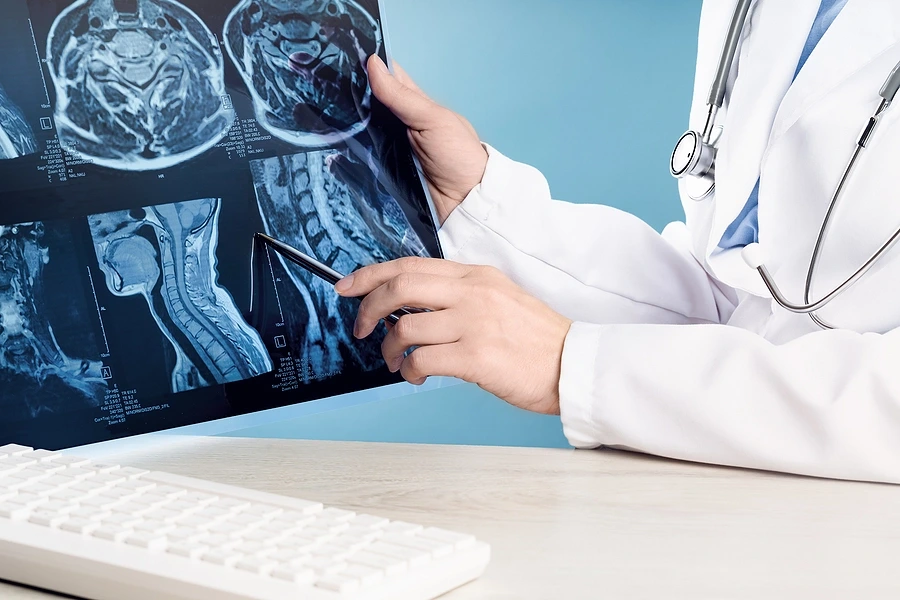
Medical records are a primary source of evidence in TBI claims. They include hospital reports, imaging results such as CT scans or MRIs, neurological evaluations, and rehabilitation progress notes. These documents help establish the injury’s severity and its impact on a person’s daily life.
Medical experts review these records and interpret complex medical information for the court. They explain how the brain injury occurred, its likely effects, and the treatment required. Their testimony can clarify technical details that a judge or jury might not fully understand.
Types of Medical Experts in TBI Cases
Several types of medical professionals can provide valuable support in TBI claims. Each plays a unique role in assessing and explaining the injury:
- Neurologists evaluate the brain and nervous system. They can identify structural damage and functional impairments using diagnostic imaging and neurological tests.
- Neuropsychologists focus on cognitive and behavioral changes. They perform specialized tests to measure memory, attention, problem-solving skills, and emotional functioning.
- Rehabilitation specialists assess the need for therapy and ongoing care. They can provide estimates for recovery timelines, physical therapy, occupational therapy, and other medical interventions.
- Radiologists interpret imaging studies to detect internal injuries, swelling, or structural abnormalities in the brain.
Each expert brings a piece of the puzzle. Together, they create a comprehensive picture of how the injury has affected the individual’s life.
How Medical Experts Support TBI Claims
Medical experts contribute in several ways during a TBI claim. First, they provide independent assessments of the injury. These assessments help counter claims that the injury is exaggerated or unrelated to the accident.
Experts also testify in depositions and court hearings. They explain medical findings in straightforward terms, making it easier for a judge or jury to understand the extent of the injury. Their professional opinions carry significant weight because they are based on scientific evidence and years of specialized training.
Additionally, medical experts can project the long-term impact of a TBI. This includes estimating future medical costs, ongoing therapy needs, and potential loss of earning capacity. Accurate projections are essential for ensuring that settlement offers or jury awards fully reflect the injury’s consequences.
The Role of Early Medical Evaluation
Early evaluation by medical experts is critical. Prompt assessment ensures that the injury is properly documented and treated, which strengthens the legal claim. Delays in seeking medical care can be used by opposing parties to argue that the injury was minor or unrelated to the accident.
Early intervention also allows experts to begin tracking recovery and any persistent deficits. This ongoing documentation can demonstrate the progression or permanence of the injury, which is crucial in cases where long-term care or accommodations may be required.
Choosing the Right Medical Experts
Selecting the right medical experts is an important part of building a strong TBI claim. Lawyers typically look for experts who have extensive experience with brain injuries, strong reputations in their fields, and prior experience testifying in court. Experts who can clearly communicate complex medical information in an understandable way are particularly valuable.
Challenges in Using Medical Experts
While medical experts are essential, there are challenges in using their testimony effectively. Insurance companies may hire their own experts to dispute the severity of the injury or its connection to the accident. Differences in opinion between experts can complicate a case.
Additionally, TBIs can be difficult to quantify. Unlike visible injuries, brain injuries are often invisible, making objective measurement challenging. This makes expert testimony even more crucial, as it helps establish a credible, evidence-based narrative of the injury.
Conclusion
Traumatic brain injuries can change a person’s life in profound ways. For individuals pursuing a personal injury claim in Oklahoma, proving the full impact of a TBI is essential to receiving fair compensation. Medical experts are critical in this process. They provide thorough evaluations, explain complex medical information, and offer professional opinions that help courts and insurance companies understand the true extent of the injury.
Working with experienced medical professionals, alongside a knowledgeable personal injury attorney, gives individuals the best chance of securing the compensation they need for treatment, rehabilitation, and long-term care. In cases involving TBIs, expert testimony is not just helpful—it is often the key factor in achieving a just outcome.