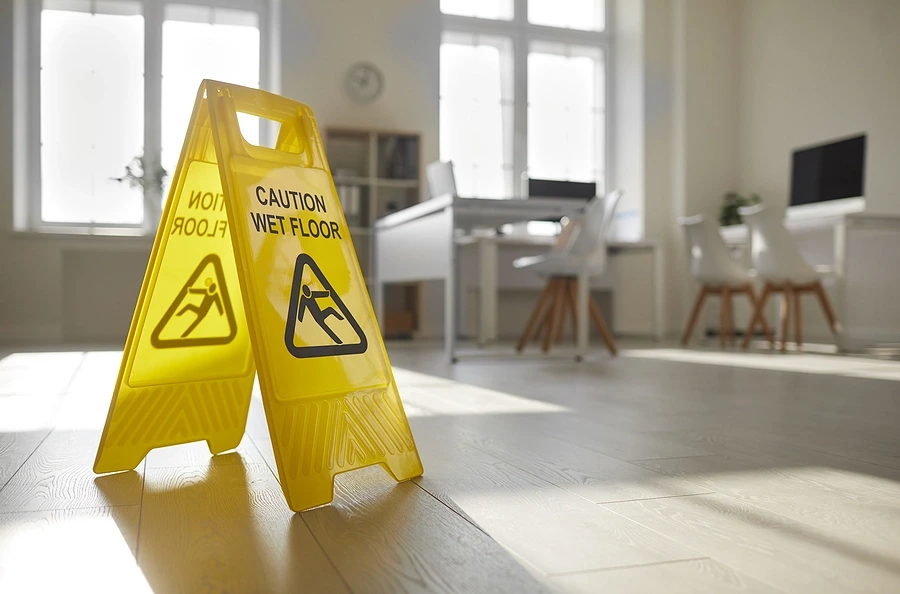
A slip and fall can happen almost anywhere. Someone may lose their footing on a wet grocery store floor, trip over an uneven sidewalk, fall on poorly maintained stairs, or stumble because of an obstruction in a walkway. Although these incidents are sometimes treated as minor accidents, a fall can cause significant injuries and expenses.
Not every fall creates a valid personal injury claim. In Oklahoma, a person generally must show that another party was legally responsible for the dangerous condition that caused the accident. The circumstances surrounding the incident, including where the fall occurred, why the hazard existed, and whether the property owner knew or should have known about it, can all matter.
Understanding what may constitute a slip and fall injury is an important first step when deciding whether to pursue a claim.
What Is Considered a Slip and Fall Injury
A slip and fall injury generally involves a person losing their balance because of a hazardous condition and suffering an injury as a result. The term can cover more than simply slipping on a wet surface.
Common examples include falling because of
- Spilled liquids or other slippery substances
- Uneven or broken flooring
- Cracked sidewalks
- Potholes
- Loose rugs or mats
- Debris in a walkway
- Poorly maintained stairs
- Missing or damaged handrails
- Inadequate lighting
- Snow, ice, or other weather-related hazards
- Objects left in areas intended for walking
A person does not necessarily have to fall directly onto the ground to suffer a qualifying injury. Someone may trip, lose their balance, and collide with a shelf, wall, railing, or another object. What matters is the connection between the hazardous condition and the resulting injury.
Where Slip and Fall Accidents Commonly Happen
Slip and fall accidents can occur on both public and private property. Stores, restaurants, apartment buildings, hotels, office buildings, parking lots, sidewalks, and private homes are all possible locations.
The legal standards can depend on the relationship between the injured person and the property owner or person in possession of the property. Oklahoma law recognizes different duties depending on whether someone is an invitee, licensee, or trespasser.
For example, a customer shopping at a business is generally on the property for a purpose connected to the business and may receive different protections from someone who enters property without permission. Oklahoma law provides that a land possessor generally has no duty to make premises safe for a trespasser, subject to specific exceptions.
This distinction can become important when determining whether a property owner or occupier had a legal duty toward the person who fell.
When a Property Owner May Be Responsible
A dangerous condition alone does not automatically make a property owner liable. A central issue is whether the owner or person responsible for the property failed to take reasonable steps to address a condition that created an unreasonable risk of harm.
For example, imagine a grocery store employee notices a large spill in an aisle but does nothing to clean it up or warn customers. If a shopper later slips in that same area and suffers an injury, evidence concerning the employee’s knowledge may become important.
Other cases may involve hazards that existed long enough that the property owner should reasonably have discovered them. Surveillance footage, employee statements, inspection records, cleaning schedules, incident reports, and witness accounts may help establish what happened.
A property owner may also be accused of creating the hazardous condition through inadequate maintenance or improper repairs. A broken stair, deteriorated walkway, or loose floor covering can present different issues from a temporary spill.
What If Nobody Saw the Fall
A lack of witnesses does not automatically prevent someone from pursuing a claim. Slip and fall accidents often happen quickly, and people may be alone when they occur.
Other evidence may help establish what happened. Photographs taken shortly after the incident can document the condition of the area. Surveillance footage may show the hazard and the events leading up to the fall. Medical records can provide evidence of the injuries and their timing.
The injured person’s account is also relevant. It can be helpful to write down what happened as soon as possible while the details are still fresh.
Reporting the incident to the property owner or manager can create an additional record. However, the report should accurately describe what occurred without making assumptions about who was responsible.
What Injuries Can Result From a Slip and Fall
A fall does not have to produce a broken bone to be legally significant. Injuries can range from relatively minor to severe and may affect someone for weeks, months, or longer.
Potential injuries include
- Sprains and strains
- Broken wrists, arms, or legs
- Hip fractures
- Back and neck injuries
- Torn ligaments
- Shoulder injuries
- Knee injuries
- Head injuries
- Traumatic brain injuries
Older adults can face particularly serious consequences from falls, including fractures that require hospitalization, surgery, rehabilitation, or extended assistance.
The extent of the injury may affect the damages involved in a personal injury claim. Depending on the circumstances, damages may include medical expenses, lost income, and compensation for pain and suffering.
What If You Were Partly at Fault
Property owners and insurance companies may argue that the injured person was partly responsible for the accident. They may claim that the person failed to pay attention, ignored a warning sign, was distracted, or otherwise contributed to the fall.
Oklahoma follows a modified comparative negligence system. Under Oklahoma law, a person’s negligence does not automatically prevent recovery unless that person’s negligence is greater than the combined negligence of the parties responsible for the injury. When the injured person’s negligence is not greater than the applicable threshold, the amount recovered is reduced in proportion to that person’s share of fault.
This means that a person should not necessarily assume they have no claim simply because they may have made a mistake. The specific facts need to be examined to determine how responsibility may be divided.
Evidence Can Make a Difference
Evidence can become especially important in a slip and fall case because the condition that caused the accident may disappear quickly.
A wet floor may be cleaned. A damaged sidewalk may be repaired. A misplaced object may be removed. Once the condition changes, proving what the area looked like at the time of the accident can become more difficult.
If possible, photographs should be taken of the area and the specific hazard. Images showing the surrounding environment can also be useful because they may provide context about lighting, warning signs, entrances, stairs, or other conditions.
Witness contact information should be preserved when available. Medical treatment should also be documented, particularly when an injury continues to cause pain or requires follow-up care.
Time Limits May Apply to Your Claim
Oklahoma law imposes deadlines for filing personal injury lawsuits. The applicable deadline can depend on the circumstances, including the identity of the potentially responsible party and where the accident occurred.
Claims involving government property can involve additional procedural requirements and shorter deadlines. For that reason, someone injured in a fall should not assume that the same rules apply to every case.
Waiting to investigate can also make evidence harder to preserve. Speaking with an Oklahoma personal injury attorney early can help identify potential deadlines and determine what evidence may be important.
When to Talk With an Oklahoma Personal Injury Lawyer
A slip and fall may look straightforward from the outside, but determining legal responsibility can require a closer examination of the property, the hazardous condition, available evidence, and the injured person’s circumstances.
If you were hurt after slipping, tripping, or falling on someone else’s property, consider documenting the scene, reporting the incident, preserving medical records, and keeping information about expenses and missed work. Avoid assuming that the accident is too minor to matter or that you are automatically responsible for what happened.
An Oklahoma personal injury lawyer can review the circumstances and explain whether the facts may support a premises liability claim. The right approach depends on the evidence, the nature of the hazard, and the legal duties that applied at the time of the accident.