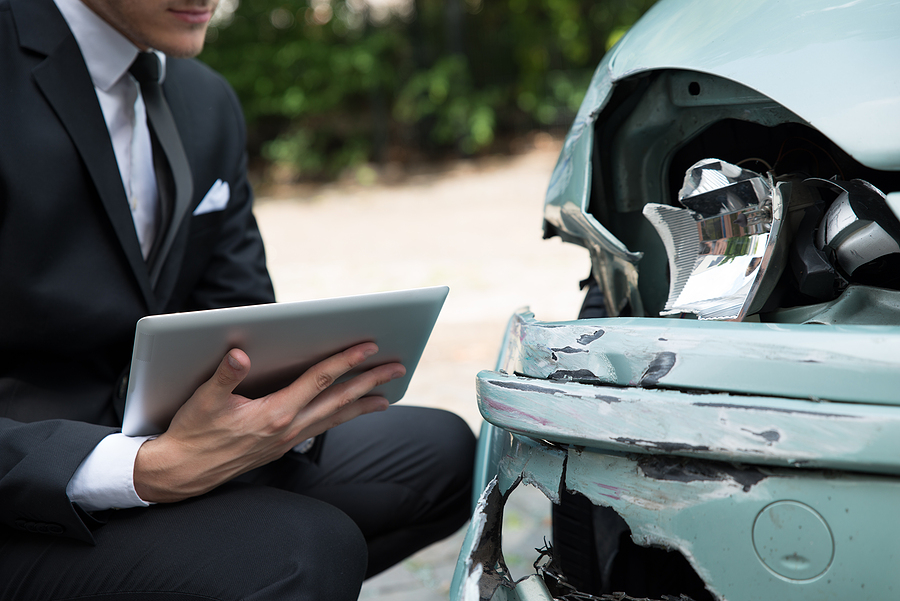
After a car accident, many people assume their property damage claim is complete once their vehicle is repaired. However, a vehicle with an accident history is often worth less on the resale or trade-in market than a comparable vehicle that has never been damaged, even when repairs are done well. This difference in value is commonly called diminished value or loss of value. Oklahoma drivers who were not at fault may be able to seek compensation for this loss, but many never realize the option exists. For drivers in Tulsa and across Oklahoma, understanding how these claims work can help protect the full value of their property. Learning about loss of value claims in Tulsa is a useful first step. This article explains what loss of value means, who may qualify, and how these claims are typically supported.
Understanding Loss of Value After a Crash
A vehicle’s market value can drop after an accident for reasons that have little to do with how well it was repaired. The table below summarizes common forms of diminished value.
| Type of Diminished Value | General Meaning |
|---|---|
| Inherent diminished value | Lost value because buyers view a vehicle with an accident history as less desirable |
| Repair-related diminished value | Lost value caused by incomplete or poor-quality repairs |
| Immediate diminished value | The difference in value right after the crash, before any repairs |
Why Repaired Vehicles Can Lose Value
Many buyers and dealers check vehicle history reports before making an offer. When a report shows a prior accident, buyers may worry about hidden damage, future reliability, or safety. As a result, they may offer less than they would for a similar vehicle with a clean history, and dealers may lower trade-in offers for the same reason. This reduced value can exist even when the vehicle looks and drives like new.
The Most Common Type of Claim
Most loss of value claims involve inherent diminished value, meaning the loss tied to the vehicle’s accident history itself. Repair-related diminished value may also come into play when repairs do not fully restore the vehicle’s condition. In those situations, addressing the repair problem may be part of the discussion along with any remaining loss of value. Understanding which type applies can help shape how the claim is presented.
Who May Qualify for a Loss of Value Claim in Oklahoma
Not every accident leads to a strong loss of value claim. Several factors often affect whether a claim is worth pursuing.
Claims Against the At-Fault Driver’s Insurer
In Oklahoma, a vehicle owner who was not at fault may generally pursue a diminished value claim against the at-fault driver and that driver’s liability insurer as part of a property damage claim. The idea is that the at-fault party should compensate the owner for the full loss caused by the crash, not only the repair bill. Claims under the owner’s own policy may be treated differently, depending on the policy language. Insurers may not raise loss of value on their own, so owners often need to request it.
Vehicles That Tend to Be Most Affected
Newer vehicles, vehicles with low mileage, and higher-value models often experience the most significant loss of value after an accident. Serious structural damage, frame repairs, or airbag deployment may also increase the loss. Older vehicles with high mileage may lose less value because their market price is already lower. When a vehicle is declared a total loss, a separate valuation process usually applies instead.
Leased and Financed Vehicles
Ownership can affect who has the right to pursue a loss of value claim. For financed vehicles, the owner generally may pursue the claim, though the lender may have an interest in the vehicle. For leased vehicles, the leasing company may own the vehicle and may control the claim, depending on the lease terms. Reviewing the loan or lease documents can help clarify these rights.
Supporting a Loss of Value Claim
A strong loss of value claim usually requires more than a statement that the vehicle is worth less. Evidence helps show the extent of the loss.
Repair Records and Documentation
Detailed repair estimates, invoices, and photos of the damage help show the severity of the crash and the work performed. Information about structural repairs or replaced parts can be especially relevant. Keeping records of the vehicle’s condition before the accident, such as maintenance records, may also be helpful. Keeping copies of all repair paperwork can further support a claim.
Independent Appraisals
An independent appraisal from a qualified vehicle appraiser may help estimate the difference between the vehicle’s value before and after the accident. Appraisers may consider market data, the vehicle’s history, and the nature of the repairs. Insurers sometimes use their own formulas, which may produce lower figures, so an independent opinion can provide useful context for negotiations. An appraisal is often most persuasive when it clearly explains the method used.
Deadlines and Insurance Questions
Oklahoma generally sets a two-year deadline for filing property damage lawsuits, and Oklahoma statutes can be accessed through the Oklahoma State Courts Network. Drivers with questions about how insurers handle claims may also find consumer resources through the Oklahoma Insurance Department. Oklahoma’s comparative negligence rules may affect a claim if the vehicle owner shares some fault for the crash. Acting promptly can also help, since evidence about the vehicle’s condition may change over time.
Protecting the Value of Your Vehicle
A repaired vehicle may still be worth less than it was before a crash, and Oklahoma drivers who were not at fault may be able to seek compensation for that loss. Factors such as the vehicle’s age, the severity of the damage, and supporting documentation can affect a claim, and outcomes depend on the specific facts. At Knight Law Firm, our team of Tulsa car accident attorneys helps drivers understand whether a loss of value claim may apply and how to pursue it. We know that a vehicle is often one of a family’s most important assets. If your vehicle was damaged in a crash that was not your fault, we invite you to contact our team to discuss your options.