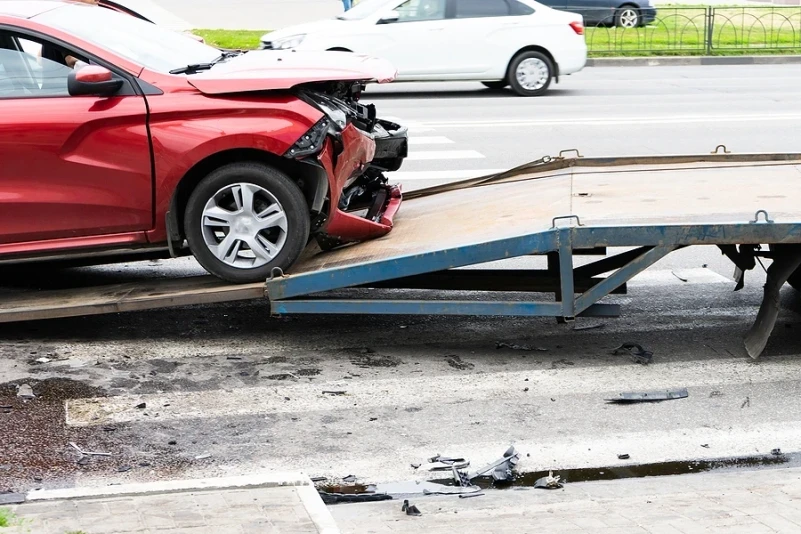
Intersection accidents are some of the most common and complex types of car crashes in Oklahoma. Unlike collisions that occur on open roads, accidents at intersections often involve multiple vehicles, complicated traffic patterns, and conflicting accounts from drivers or witnesses. These factors make pursuing a personal injury claim after an intersection collision particularly challenging. Understanding the legal obstacles can help accident victims take the right steps to protect their rights and recover compensation for injuries and damages.
Understanding How Intersection Accidents Happen
Intersections present unique risks for drivers. The convergence of multiple lanes, stop signs, traffic lights, and pedestrian crossings creates situations where even minor misjudgments can lead to serious collisions. Common causes of intersection accidents in Oklahoma include:
- Running red lights or stop signs
- Failing to yield the right of way
- Distracted or impaired driving
- Sudden lane changes
- Poor visibility due to weather or obstructions
Even when the cause seems straightforward, proving fault is not always easy. Multiple parties may share responsibility, and the circumstances of the crash can be disputed by other drivers or insurance companies.
Determining Fault Can Be Complicated
One of the biggest challenges in intersection accident cases is establishing who is at fault. Oklahoma follows a modified comparative fault system. This means that a person can recover damages only if they are less than 51% at fault for the accident. If a driver is partially responsible, their compensation may be reduced according to their percentage of fault.
Accurately determining fault requires a careful investigation. Law enforcement reports, traffic camera footage, witness statements, and physical evidence from the vehicles and scene all play critical roles. Insurance companies may downplay a driver’s negligence or argue that the accident was partially caused by the victim, which can complicate the claim.
Gathering Evidence After an Intersection Collision
Evidence is central to any personal injury claim. In intersection accidents, the evidence must clearly establish how the crash happened and who caused it. Important types of evidence include:
- Police reports and accident citations
- Photographs of the scene and vehicle damage
- Surveillance or dashcam footage
- Medical records documenting injuries
- Statements from witnesses and passengers
Collecting this evidence quickly after the crash is important. Scenes change, and witnesses may forget details over time. Consulting with a personal injury attorney early can help preserve crucial evidence and strengthen a claim.
Dealing With Insurance Companies
Insurance companies are often a major obstacle in intersection accident claims. Adjusters may try to minimize payouts, shift blame, or use vague statements to avoid liability. Victims may feel pressured to accept an early settlement, even if it does not fully cover medical bills, lost wages, and other damages.
An experienced attorney can handle negotiations with the insurance company. They can ensure that all damages are properly documented and that settlement offers reflect the full extent of the injury and financial loss. This guidance can prevent victims from accepting insufficient compensation under pressure.
Multiple Vehicles and Shared Liability
Some intersection accidents involve more than two vehicles, which adds another layer of complexity. Multi-vehicle collisions often result in disputed liability, with each driver blaming the others. In such cases, determining the proportion of fault for each party is essential. Legal experts often rely on accident reconstruction specialists to recreate the scene and provide an unbiased analysis of how the crash occurred. This type of evidence can be critical when multiple drivers or insurance companies are involved.
Challenges With Witness Testimony
Witnesses can provide valuable insight into an accident, but their accounts may conflict or be unreliable. Memory lapses, personal biases, or fear of involvement in legal proceedings can affect testimony. In some cases, witnesses may be difficult to locate. Attorneys must carefully evaluate the credibility of witnesses and corroborate their statements with physical evidence. This process can be time-consuming but is often necessary to build a strong case.
The Role of Traffic Laws in Oklahoma
Oklahoma’s traffic laws are another factor in intersection collision cases. Understanding rules about right-of-way, turning, and signaling is crucial when arguing fault. For example, drivers who fail to yield while making a left turn are often found negligent, but exceptions may apply depending on traffic conditions or signals. Attorneys use knowledge of these laws to support claims and counter arguments from opposing parties or insurance adjusters.
Addressing Catastrophic Injuries and Long-Term Impact
Intersection accidents can result in severe injuries, including spinal cord injuries, traumatic brain injuries, fractures, and internal damage. These injuries may require ongoing medical care, rehabilitation, or even permanent lifestyle changes. Proving the long-term impact of an accident is challenging but essential for fair compensation. Attorneys work with medical experts to quantify future medical expenses, lost earning potential, and other long-term effects of the crash.
Statute of Limitations and Timely Action
In Oklahoma, personal injury claims have a statute of limitations. Typically, victims have two years from the date of the accident to file a lawsuit. Missing this deadline can prevent victims from pursuing legal remedies. Prompt action is critical. Consulting with an attorney soon after the accident ensures that deadlines are met and evidence is preserved, improving the chances of a successful claim.
Legal Representation Makes a Difference
Given the challenges of intersection collision cases, working with a knowledgeable personal injury lawyer in Oklahoma is crucial. Attorneys can:
- Investigate the accident thoroughly
- Collect and preserve evidence
- Communicate with insurance companies
- Handle complex liability issues
- Represent victims in court if necessary
Having legal support ensures that victims do not navigate these challenges alone. Attorneys advocate for fair compensation and protect the rights of injured parties throughout the claims process.
Conclusion
Intersection accidents are complex and often involve multiple factors that make legal claims challenging. Proving fault requires careful investigation, expert analysis, and thorough documentation. Insurance companies and other parties may complicate the process, but with proper legal guidance, victims can pursue the compensation they deserve. Understanding these challenges early and acting promptly can make a significant difference in the outcome of an intersection accident case in Oklahoma.